
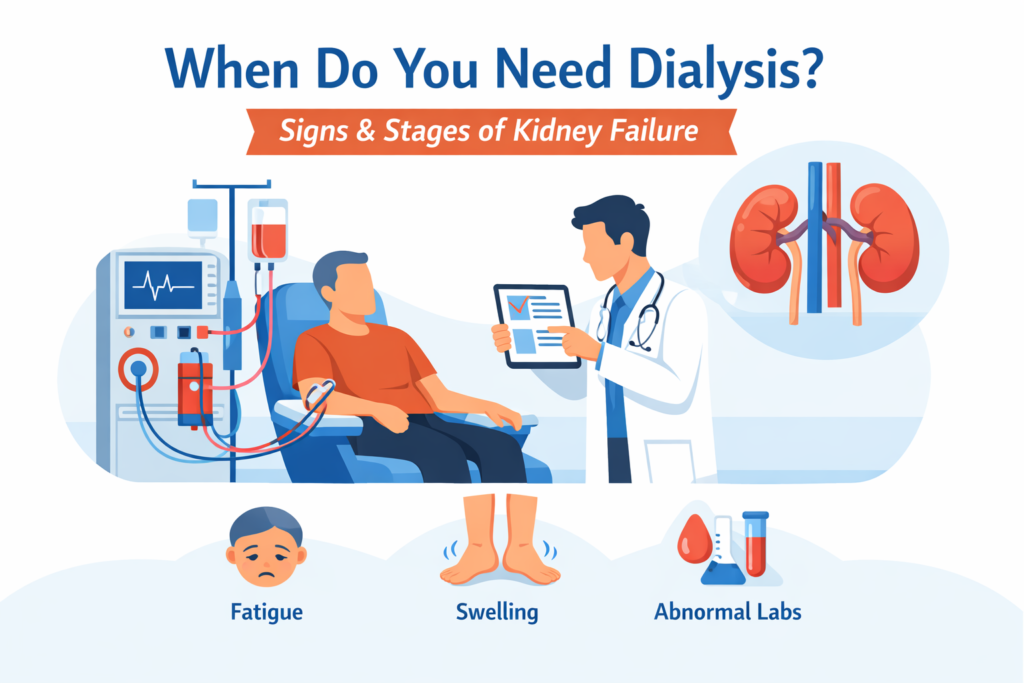
Your kidneys work silently every day to filter toxins, maintain fluid balance, regulate blood pressure, and support overall health. However, when kidney function declines significantly, the body starts showing warning signs that should never be ignored. Understanding kidney failure symptoms and knowing when dialysis becomes necessary can help patients seek timely treatment and avoid life-threatening complications.
According to Dr. Sandeep Morkhandikar, widely regarded as the Best nephrologist in Pune, early diagnosis and awareness are crucial in slowing kidney damage and improving long-term outcomes.
Understanding Kidney Failure
Kidney failure occurs when the kidneys lose their ability to filter waste and excess fluids effectively. This can happen gradually over months or years (chronic kidney disease) or suddenly (acute kidney injury). When the damage progresses to end-stage renal disease (ESRD), the kidneys function at less than 10–15% of their normal capacity. At this stage, dialysis or kidney transplantation becomes essential for survival.
Stages of Chronic Kidney Disease
Kidney disease progresses through five stages based on glomerular filtration rate (GFR), which measures kidney function:
Stage 1–2: Mild damage with minimal symptoms. Often detected through blood or urine tests.
Stage 3: Moderate decline in kidney function. Patients may notice fatigue, swelling, or changes in urination.
Stage 4: Severe damage. Symptoms worsen, and preparation for dialysis or transplant begins.
Stage 5 (End-stage renal disease): Kidneys can no longer sustain life without dialysis or transplant.
Identifying these stages early allows intervention by a Dialysis specialist in Pune, which can delay progression and reduce complications.
Common Kidney Failure Symptoms
As kidney function declines, toxins and fluid accumulate in the body, leading to noticeable symptoms such as:
- Persistent fatigue and weakness
- Swelling in legs, ankles, or face
- Shortness of breath due to fluid overload
- Nausea, vomiting, or loss of appetite
- Difficulty concentrating or confusion
- Reduced urine output or frothy urine
- High blood pressure that’s difficult to control
Many patients ignore early kidney failure symptoms because they develop slowly. However, worsening symptoms should prompt immediate evaluation by a nephrologist.
When Is Dialysis Required?
Dialysis is recommended when the kidneys can no longer remove waste and maintain fluid and electrolyte balance. A dialysis requirement is usually determined based on symptoms, lab values, and overall health rather than a single test.
You may need dialysis if:
- GFR falls below 15 (indicative of end-stage renal disease)
- Severe fluid retention causes breathlessness
- Dangerous electrolyte imbalances occur (like high potassium)
- Uremic symptoms develop, such as confusion, itching, or metallic taste
- Persistent nausea and weight loss due to toxin buildup
Doctors carefully assess each patient before initiating dialysis to ensure the right timing and method.
Types of Dialysis
There are two main dialysis options:
Hemodialysis: Blood is filtered using a machine, usually performed 2–3 times a week at a dialysis center.
Peritoneal Dialysis: Uses the lining of the abdomen to filter blood and can often be done at home.
Your nephrologist will recommend the best option based on lifestyle, health condition, and personal preferences.
Can Dialysis Be Prevented?
While dialysis is lifesaving, early intervention can sometimes delay its need. Managing diabetes, controlling blood pressure, following a kidney-friendly diet, staying hydrated, and avoiding unnecessary medications can protect kidney function. Regular screening is especially important for people with risk factors such as diabetes, hypertension, family history, or recurrent kidney infections.
Final Thoughts
Kidney failure does not happen overnight, and the body often provides warning signs before reaching end-stage renal disease. Recognizing kidney failure symptoms and understanding dialysis requirements can help patients take proactive steps toward better health.
If you or a loved one has symptoms of kidney disease, consulting an experienced nephrologist can make a life-changing difference. Timely evaluation and expert care from a trusted specialist like Dr. Sandeep Morkhandikar can help manage kidney disease effectively and guide you toward the best treatment options for long-term well-being.
 Select an element to maximize. Press ESC to cancel.