
Kidney Services
Menu
Overview
Peritoneal Dialysis (PD) is an effective treatment option for patients with kidney failure when the kidneys can no longer remove waste products and excess fluids from the body. Unlike hemodialysis, which filters blood through a machine, peritoneal dialysis uses the body’s natural abdominal lining (peritoneum) as a filter.
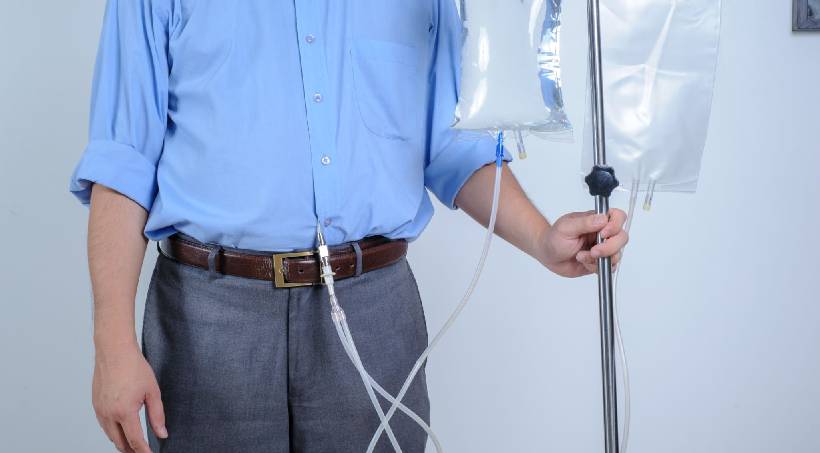
During the procedure, a special cleansing solution is introduced into the abdomen through a catheter. The solution absorbs waste products and excess fluid from the bloodstream through the peritoneal membrane. After a specified period, the fluid is drained and replaced with fresh dialysis solution.
Peritoneal dialysis offers greater flexibility and independence, as it can be performed at home, while traveling, or even during regular daily activities. For expert guidance on Peritoneal Dialysis in Pune, consult Dr. Sandeep Morkhandikar, Kidney Doctor in Pune, at FertiProtect & SuperSpecialty Centre.
Why is Dialysis Needed?
Dialysis becomes necessary when the kidneys lose their ability to effectively filter waste products, regulate electrolytes, and maintain fluid balance in the body.
Common causes of kidney failure include:
- Diabetes
- High Blood Pressure (Hypertension)
- Glomerulonephritis (Kidney Inflammation)
- Polycystic Kidney Disease (PKD)
- Chronic Kidney Disease (CKD)
When kidney function declines significantly, dialysis helps perform the essential functions that healthy kidneys normally provide.
Types of Dialysis
Hemodialysis
Hemodialysis involves filtering blood through a specialized machine that removes waste products and excess fluids before returning the purified blood to the body. This treatment is usually performed in a dialysis center or hospital, although some patients may be eligible for home hemodialysis.
Peritoneal Dialysis
Peritoneal dialysis is a home-based dialysis treatment that offers several advantages:
Greater Flexibility
Patients can perform dialysis at home, allowing them to continue working, traveling, and maintaining an active lifestyle.
Fewer Dietary Restrictions
Because peritoneal dialysis works continuously throughout the day, there is less buildup of fluid and waste products, resulting in more flexibility with diet and fluid intake.
Preservation of Kidney Function
Patients undergoing peritoneal dialysis may retain their remaining kidney function for a longer period compared to some patients on hemodialysis.
Is Peritoneal Dialysis Right for You?
The choice between hemodialysis and peritoneal dialysis depends on several factors, including:
- Kidney function level
- Overall health condition
- Lifestyle preferences
- Home environment
- Availability of caregiver support
Peritoneal dialysis may be suitable if you:
- Prefer a treatment that fits around your daily schedule.
- Want greater freedom to travel.
- Have some remaining kidney function.
- Cannot tolerate rapid fluid changes associated with hemodialysis.
- Prefer home-based treatment.
Limitations of Peritoneal Dialysis
Peritoneal dialysis may not be recommended for patients with:
- Extensive abdominal scarring from previous surgeries.
- Large abdominal hernias.
- Chronic inflammatory bowel disease.
- Frequent episodes of diverticulitis.
- Difficulty performing dialysis independently without caregiver assistance.
In some cases, peritoneal dialysis may become less effective over time, requiring a transition to hemodialysis or kidney transplantation.
Risks of Peritoneal Dialysis
Like any medical treatment, peritoneal dialysis carries certain risks.
Infection
Peritonitis, an infection of the abdominal lining, is one of the most common complications. Infection can also occur around the catheter insertion site.
Weight Gain
The dialysis solution contains glucose, which may be absorbed into the body and contribute to weight gain or elevated blood sugar levels.
Hernia
The presence of dialysis fluid in the abdomen can increase pressure on abdominal muscles and may lead to hernias.
Inadequate Dialysis
Over time, the effectiveness of peritoneal dialysis may decrease, making alternative treatments necessary.
Expert Peritoneal Dialysis Care in Pune
Managing kidney disease requires personalized care and expert guidance. Dr. Sandeep Morkhandikar, Kidney Doctor in Pune, provides comprehensive evaluation, dialysis planning, and long-term kidney care for patients with chronic kidney disease and kidney failure.
If you are considering dialysis or looking for advanced kidney treatment options, schedule a consultation with Dr. Sandeep Morkhandikar , Kidney Doctor in Pune at FertiProtect & SuperSpecialty Centre, Pune for expert kidney care and individualized treatment solutions.