
Trying to conceive can be an emotional journey, and when pregnancy doesn’t happen as expected, it can lead to stress and confusion. The good news is that infertility is a common issue, and in many cases, it is treatable with the right medical support and timely intervention.
In this blog, Dr. Archana Salve Gynaecologist in Kalyani Nagar explains the most common reasons why you may not be getting pregnant and when to consider professional help for effective infertility treatment in Kalyani Nagar.
Understanding Infertility
Infertility is defined as the inability to conceive after 12 months of regular, unprotected intercourse (or 6 months for women above 35 years). Both men and women can contribute to infertility, and identifying the root cause is the key to successful treatment.
If you are struggling to conceive, consulting Dr. Archana Salve can help you get a proper diagnosis and personalized treatment plan.
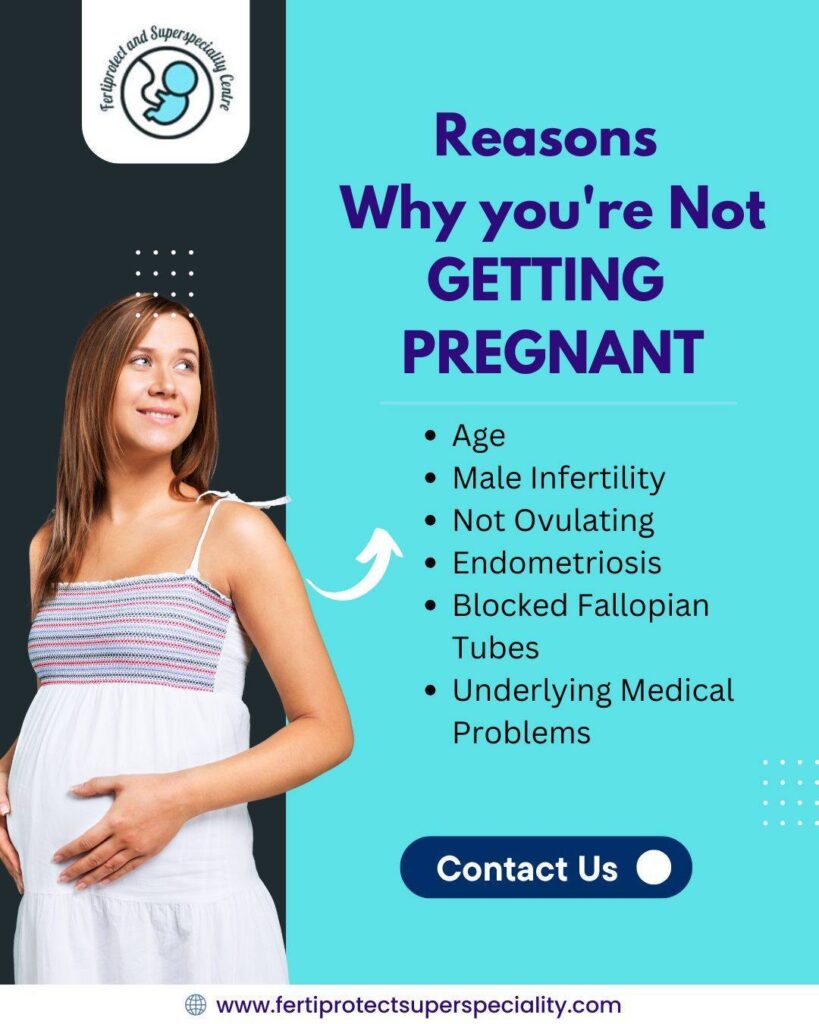
Common Reasons Why You’re Not Getting Pregnant
1. Age Factor
Age plays a crucial role in fertility, especially for women. Fertility naturally declines after the age of 30 and decreases more rapidly after 35. This is due to a reduction in both the quantity and quality of eggs.
For men, age can also impact sperm quality, although the effect is usually less significant compared to women.
2. Male Infertility
Infertility is not just a female concern. In nearly 40–50% of cases, male factors contribute to the problem. Common causes include:
- Low sperm count
- Poor sperm motility
- Abnormal sperm shape
- Hormonal imbalances
A simple semen analysis can help identify these issues early and guide appropriate treatment.
3. Ovulation Problems
Regular ovulation is essential for pregnancy. If you are not ovulating regularly, conception becomes difficult.
Conditions that affect ovulation include:
- Polycystic Ovary Syndrome (PCOS)
- Thyroid disorders
- Hormonal imbalances
Irregular or missed periods can be a sign of ovulation problems. Seeking timely infertility treatment in Kalyani Nagar can help restore normal ovulation.
4. Endometriosis
Endometriosis is a condition where tissue similar to the lining of the uterus grows outside the uterus. This can cause pain, inflammation, and scarring, which may affect fertility.
It can interfere with:
- Egg release
- Fertilization
- Implantation
Early diagnosis and treatment are essential to improve the chances of conception.
5. Blocked Fallopian Tubes
The fallopian tubes play a crucial role in carrying the egg from the ovary to the uterus. If these tubes are blocked or damaged, the sperm cannot reach the egg, preventing fertilization.
Common causes of blocked tubes include:
- Pelvic infections
- Previous surgeries
- Endometriosis
Diagnostic tests like HSG (Hysterosalpingography) can help identify this issue.
6. Underlying Medical Conditions
Certain health conditions can impact fertility in both men and women, such as:
- Diabetes
- Thyroid disorders
- Obesity
- Autoimmune diseases
Lifestyle factors like stress, poor diet, smoking, and alcohol consumption can also reduce fertility.
When Should You See a Specialist?
You should consider consulting a fertility expert if:
- You have been trying to conceive for over a year
- You are above 35 and trying for more than 6 months
- You have irregular periods
- You have a known medical condition affecting fertility
- There is a history of miscarriage
Early consultation with Dr. Archana Salve Gynaecologist in Kalyani Nagar can significantly improve your chances of a successful pregnancy.
Diagnosis and Fertility Evaluation
A proper fertility evaluation includes:
- Medical history and physical examination
- Hormonal blood tests
- Ultrasound scans
- Ovulation tracking
- Semen analysis for male partner
- Tubal patency tests
These tests help identify the exact cause and guide the most effective treatment plan.
Infertility Treatment Options
With advancements in medical science, there are multiple treatment options available:
1. Lifestyle Modifications
Improving diet, maintaining a healthy weight, reducing stress, and quitting smoking can enhance fertility naturally.
2. Medications
Fertility drugs can help stimulate ovulation and regulate hormones.
3. IUI (Intrauterine Insemination)
A procedure where sperm is directly placed into the uterus to increase the chances of fertilization.
4. IVF (In Vitro Fertilization)
An advanced technique where eggs and sperm are fertilized outside the body and then implanted into the uterus.
Choosing the right treatment depends on the underlying cause, age, and overall health of the couple.
Why Choose Dr. Archana Salve?
When it comes to fertility care, choosing an experienced and compassionate specialist is essential. Dr. Archana Salve offers:
- Personalized fertility assessment
- Advanced diagnostic techniques
- Evidence-based treatment options
- Supportive and patient-friendly approach
If you are looking for trusted infertility treatment in Kalyani Nagar, you can rely on her expertise for comprehensive care.
Tips to Improve Fertility Naturally
While medical treatment is important, certain lifestyle changes can support your fertility journey:
- Maintain a balanced diet rich in nutrients
- Exercise regularly
- Manage stress through yoga or meditation
- Track ovulation cycles
- Avoid smoking and excessive alcohol
These steps can improve your chances of conception and overall reproductive health.
Conclusion
Not getting pregnant can be challenging, but understanding the reasons behind it is the first step toward finding a solution. From age-related factors to medical conditions, many causes of infertility can be effectively treated with the right guidance.
If you are facing difficulties in conceiving, don’t delay seeking help. Consult Dr. Archana Salve Gynaecologist in Kalyani Nagar for expert advice and advanced infertility treatment in Kalyani Nagar.
With the right care and support, your journey toward parenthood can become a reality.