
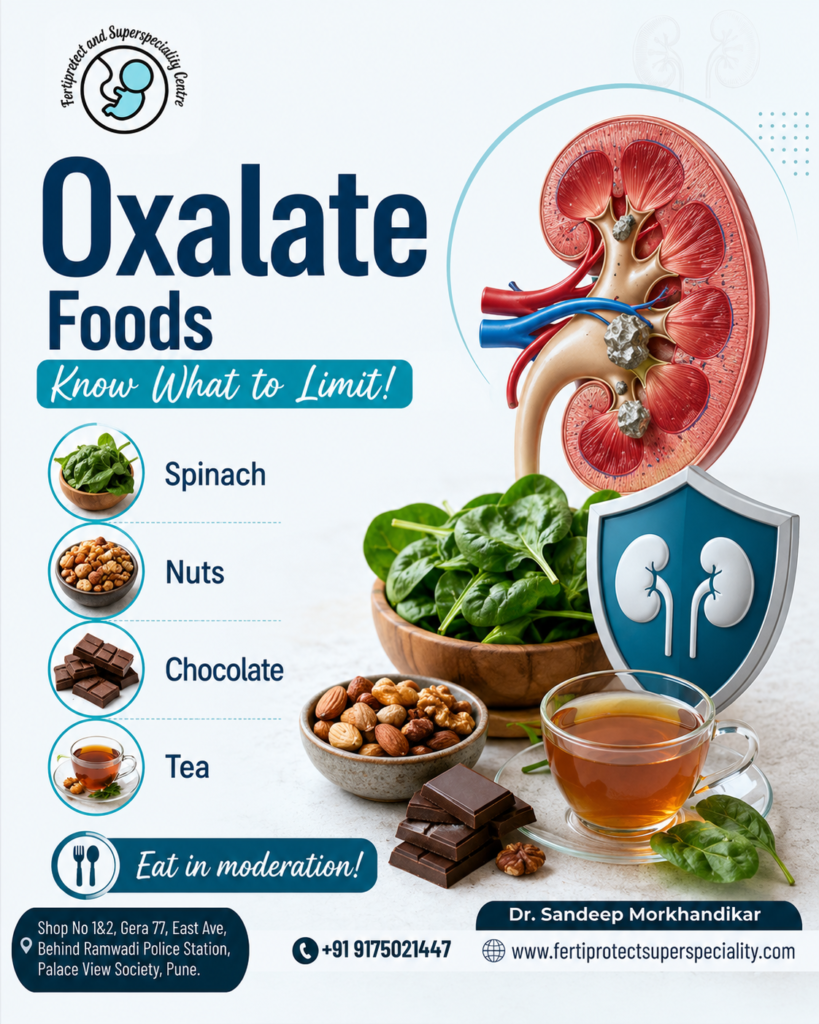
Kidney stones are one of the most common urinary tract conditions and can cause severe pain and discomfort. While many factors contribute to kidney stone formation, diet plays a significant role. Among dietary factors, consuming excessive amounts of oxalate-rich foods may increase the risk of calcium oxalate kidney stones in some individuals.
Understanding which foods contain high amounts of oxalates and how to consume them wisely can help protect your kidney health. If you have a history of kidney stones or are at risk, consulting an experienced kidney specialist is essential.
For expert diagnosis and personalized kidney care, Dr. Sandeep Morkhandikar, Top Kidney Specialist Pune, offers comprehensive evaluation and evidence-based treatment for kidney stones and other kidney-related conditions. Patients searching for Dr. Sandeep Morkhandikar Top Kidney Specialist Pune on Google Business Profile can access trusted nephrology care tailored to their individual needs.
What Are Oxalates?
Oxalates are naturally occurring compounds found in many plant-based foods. In most people, oxalates are eliminated from the body through urine without causing any problems. However, when oxalates combine with calcium in the urine, they can form calcium oxalate crystals, which are the most common type of kidney stones.
It is important to note that not everyone who eats oxalate-rich foods will develop kidney stones. Factors such as hydration, genetics, medical conditions, and overall dietary habits also influence stone formation.
Common Oxalate-Rich Foods
Some healthy foods naturally contain higher levels of oxalates. These include:
- Spinach
- Nuts
- Chocolate
- Tea
- Beetroot
- Sweet potatoes
- Rhubarb
- Soy products
These foods offer valuable nutrients and should not necessarily be avoided completely. Instead, people who are prone to kidney stones may benefit from consuming them in moderation after discussing dietary recommendations with their healthcare provider.
Should You Completely Avoid Oxalate Foods?
No. Eliminating all oxalate-containing foods is usually unnecessary unless specifically advised by your nephrologist or dietitian.
Instead, focus on:
- Eating a balanced diet
- Drinking enough water daily
- Pairing oxalate-rich foods with calcium-rich foods during meals when appropriate
- Limiting excessive intake rather than completely avoiding nutritious foods
Every person’s nutritional needs are different, so dietary advice should be individualized.
Hydration is the Best Protection
One of the simplest and most effective ways to reduce kidney stone risk is staying well hydrated.
Adequate fluid intake helps:
- Dilute urine
- Reduce crystal formation
- Flush waste products efficiently
- Lower the concentration of stone-forming minerals
Most adults should aim for sufficient fluid intake throughout the day, although individual requirements vary depending on climate, activity level, and medical conditions.
Other Ways to Reduce Kidney Stone Risk
Along with moderating oxalate intake, you can support kidney health by:
- Reducing excessive salt consumption
- Eating balanced portions of animal protein
- Maintaining a healthy weight
- Staying physically active
- Avoiding dehydration
- Following your doctor’s dietary advice
- Attending regular follow-up appointments if you have recurrent stones
These healthy habits can significantly lower the risk of future stone formation.
When Should You See a Kidney Specialist?
Consult a kidney specialist if you experience:
- Severe pain in the back or side
- Blood in urine
- Burning during urination
- Frequent urinary infections
- Recurrent kidney stones
- Reduced urine output
- Persistent swelling
- Abnormal kidney function tests
Early diagnosis allows timely treatment and helps prevent complications.
Expert Kidney Care by Dr. Sandeep Morkhandikar
If you’re searching for expert kidney care, Dr. Sandeep Morkhandikar, Top Kidney Specialist Pune, provides comprehensive diagnosis and management for a wide range of kidney conditions, including kidney stones, chronic kidney disease, urinary disorders, and hypertension affecting the kidneys.
At Dr. Sandeep Morkhandikar Top Kidney Specialist Pune, every patient receives personalized evaluation, dietary guidance, preventive care, and treatment plans designed according to their specific health needs. The focus is not only on treating existing kidney conditions but also on helping patients reduce the risk of recurrence through education and lifestyle modification.
Conclusion
A healthy diet plays an important role in maintaining strong kidneys. While foods such as spinach, nuts, chocolate, and tea contain oxalates, they can often be enjoyed in moderation as part of a balanced diet. Staying hydrated, maintaining healthy eating habits, and seeking timely medical advice are essential for preventing kidney stones.
If you have a history of kidney stones or kidney-related concerns, consult Dr. Sandeep Morkhandikar, Top Kidney Specialist Pune, for expert evaluation, personalized treatment, and long-term kidney care.