
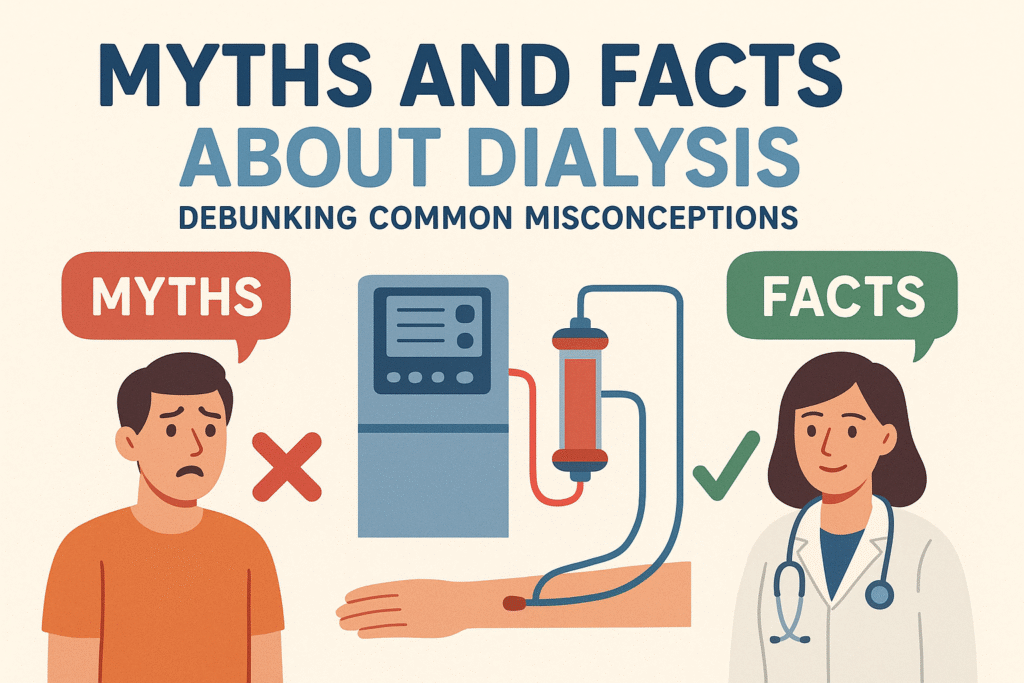
Kidney health is vital for overall well-being, yet many people are unaware of the truths about kidney failure and its treatments. Dialysis is a life-saving therapy for patients with kidney failure, but it is often surrounded by myths and misconceptions. Dr. Sandeep Morkhandikar, a leading dialysis specialist in Pune and best nephrologist in Pune, emphasizes the importance of understanding dialysis myths, kidney failure facts, and promoting nephrology awareness. In this article, we’ll explore some common misunderstandings and provide factual insights to help patients and their families make informed decisions.
Myth 1: Dialysis Is a Cure for Kidney Failure
Fact: One of the biggest misconceptions is that dialysis can cure kidney failure. Dialysis is a treatment, not a cure. Its primary function is to replicate the kidneys’ filtration process by removing toxins, excess fluids, and waste products from the blood. While it sustains life and improves quality of life, it does not restore normal kidney function. Kidney transplantation remains the definitive cure for end-stage kidney disease.
Myth 2: Dialysis Patients Can’t Lead a Normal Life
Fact: Many people believe that life after starting dialysis is severely restricted. While dialysis requires a routine schedule, modern treatments have become more flexible. Patients can continue working, traveling, and engaging in social activities with proper planning and medical guidance. Dr. Sandeep Morkhandikar highlights that with dietary adherence, fluid management, and regular monitoring, dialysis patients can enjoy a fulfilling lifestyle.
Myth 3: Dialysis Is Painful and Uncomfortable
Fact: Early perceptions of dialysis often involve fear of needles, discomfort, or fatigue. In reality, most patients report minimal pain during the procedure. Modern dialysis machines and techniques prioritize patient comfort. Hemodialysis involves accessing a blood vessel through a well-placed fistula, graft, or catheter, while peritoneal dialysis is typically performed at home and is painless. With guidance from a dialysis specialist in Pune, patients can choose a method that suits their lifestyle and comfort.
Myth 4: Dialysis Prevents All Kidney-Related Complications
Fact: Dialysis is essential for maintaining life in kidney failure but does not eliminate all health risks. Patients remain vulnerable to complications such as cardiovascular issues, infections, and bone mineral disorders. Awareness and proactive management are key. Routine monitoring, adherence to medications, and lifestyle adjustments play a critical role in preventing further complications.
Myth 5: Only Older Adults Need Dialysis
Fact: Kidney failure can affect individuals of any age. While chronic kidney disease is more prevalent among older adults, young adults and even children may require dialysis due to congenital conditions, infections, or autoimmune diseases. Early detection through regular health check-ups and lab tests can prevent disease progression. Dr. Sandeep Morkhandikar, the best nephrologist in Pune, stresses the importance of nephrology awareness for all age groups.
Myth 6: Diet Doesn’t Matter on Dialysis
Fact: Nutrition is a cornerstone of dialysis care. A balanced, kidney-friendly diet can improve outcomes, reduce complications, and enhance quality of life. Dialysis patients must manage protein intake, sodium, potassium, and phosphorus levels while staying hydrated as recommended by their nephrologist. Consulting a dietitian specialized in kidney care ensures that dietary choices support overall health alongside dialysis therapy.
Myth 7: Dialysis Requires Hospitalization
Fact: While some patients may require in-hospital dialysis initially, many can manage treatments at home. Peritoneal dialysis is a home-based therapy, providing flexibility and independence. Even hemodialysis can be scheduled in outpatient dialysis centers. Dr. Sandeep Morkhandikar emphasizes that home dialysis programs improve convenience and quality of life without compromising medical safety.
Myth 8: Dialysis Is Always Expensive
Fact: Cost concerns often deter patients from seeking timely treatment. However, dialysis costs vary based on the type of dialysis, treatment frequency, and healthcare facilities. Many insurance plans and government schemes cover dialysis expenses. Early consultation with a dialysis specialist in Pune can help patients explore cost-effective options while receiving top-quality care.
Myth 9: Dialysis Means Giving Up on Life
Fact: Many patients associate dialysis with the end of an active life. In truth, dialysis provides a bridge to a healthier, longer life. With regular treatments, monitoring, and lifestyle adjustments, patients can maintain independence, pursue hobbies, work, and enjoy time with family. Positive mental health and support systems also play a vital role in improving life satisfaction for dialysis patients.
Myth 10: Kidney Failure Is Always Preventable
Fact: While some kidney conditions are preventable through lifestyle changes, diabetes and hypertension being key examples, certain causes like congenital disorders or autoimmune diseases are not avoidable. Awareness, early diagnosis, and treatment are critical to delaying progression to kidney failure. Nephrology awareness campaigns, like those led by experts such as Dr. Sandeep Morkhandikar, highlight preventive measures and regular kidney check-ups for at-risk individuals.
Promoting Nephrology Awareness
Dispelling myths about dialysis is essential for improving patient outcomes. Patients and families equipped with factual knowledge can make informed decisions, follow treatment plans diligently, and lead a healthier life despite kidney failure. Regular consultation with a dialysis specialist in Pune and adherence to recommended care protocols are crucial steps toward managing kidney disease effectively.
Conclusion
Dialysis is a powerful tool in managing kidney failure, but misconceptions can create unnecessary fear and anxiety. Understanding the facts about kidney failure and debunking dialysis myths empowers patients to take control of their health journey. With guidance from a best nephrologist in Pune like Dr. Sandeep Morkhandikar, patients can navigate dialysis with confidence, maintain quality of life, and plan for a healthier future.
 Select an element to maximize. Press ESC to cancel.