
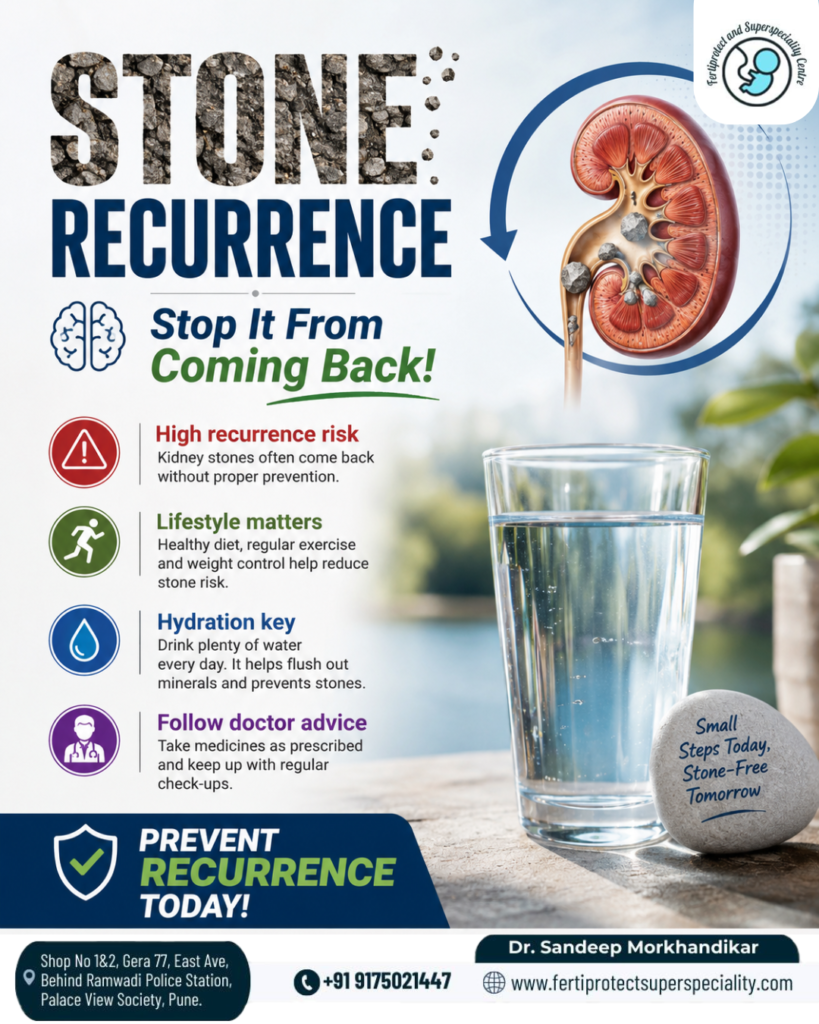
Kidney stones are one of the most common urological conditions affecting people across all age groups. While successful treatment can remove existing stones, many patients are surprised to learn that kidney stones often return if preventive measures are not followed. Studies suggest that a significant number of patients experience another kidney stone within a few years of their first episode.
At Dr. Sandeep Morkhandikar Top Kidney Specialist Pune, one of the most common concerns among patients is how to prevent kidney stone recurrence. Understanding why stones form and adopting the right lifestyle habits can significantly reduce the chances of developing future stones and protect long-term kidney health.
What is Kidney Stone Recurrence?
Kidney stone recurrence refers to the formation of new kidney stones after previous stones have been treated or passed naturally. Many individuals believe that once a stone is removed, the problem is permanently resolved. However, the underlying factors that caused the stone may still be present.
Without proper preventive care, patients remain at risk of developing additional stones in the kidneys, ureters, or urinary tract.
According to Dr. Sandeep Morkhandikar Top Kidney Specialist Pune, prevention is just as important as treatment when it comes to managing kidney stone disease.
Why Do Kidney Stones Come Back?
Kidney stones develop when minerals and salts in the urine become highly concentrated and crystallize. Several factors contribute to stone formation and recurrence.
Inadequate Water Intake
One of the leading causes of recurrent kidney stones is insufficient fluid consumption. When urine becomes concentrated, minerals such as calcium, oxalate, and uric acid are more likely to form crystals.
Poor Dietary Habits
Excessive consumption of salt, processed foods, sugary beverages, and certain high-oxalate foods may increase stone risk.
Family History
Individuals with a family history of kidney stones may have a higher likelihood of developing recurrent stones.
Obesity and Metabolic Disorders
Being overweight and having conditions such as diabetes can increase the risk of stone formation.
Underlying Medical Conditions
Certain disorders affecting the kidneys, digestive system, or metabolism can contribute to repeated stone development.
At Dr. Sandeep Morkhandikar Top Kidney Specialist Pune, identifying the root cause of stone formation is a key part of preventing recurrence.
Common Symptoms of Recurrent Kidney Stones
The symptoms of recurrent kidney stones are often similar to those experienced during the first episode.
These may include:
- Severe pain in the back or side
- Pain radiating to the lower abdomen or groin
- Burning sensation during urination
- Blood in urine
- Frequent urge to urinate
- Cloudy or foul-smelling urine
- Nausea and vomiting
- Fever if infection is present
Early evaluation can help detect stones before they become larger and more difficult to treat.
Hydration: The Most Effective Prevention Strategy
One of the simplest and most effective ways to prevent kidney stone recurrence is maintaining adequate hydration.
Drinking sufficient water helps dilute urine and reduces the concentration of stone-forming minerals.
Hydration Tips:
- Drink water consistently throughout the day.
- Increase fluid intake during hot weather.
- Consume additional fluids after exercise.
- Monitor urine color; pale yellow urine usually indicates good hydration.
- Follow individualized hydration goals recommended by your doctor.
At Dr. Sandeep Morkhandikar Top Kidney Specialist Pune, patients are often advised to make hydration a daily habit rather than waiting until they feel thirsty.
Dietary Changes to Reduce Kidney Stone Risk
Diet plays a significant role in kidney stone prevention.
Reduce Salt Intake
High sodium consumption increases calcium excretion in urine, which may promote stone formation.
Eat a Balanced Diet
A diet rich in fruits, vegetables, whole grains, and lean proteins supports kidney health.
Limit Sugary Drinks
Soft drinks and excessive sugar intake may increase the risk of stone recurrence.
Maintain Adequate Calcium Intake
Contrary to popular belief, dietary calcium is important and may help reduce stone formation when consumed appropriately.
Avoid Excessive Animal Protein
Large amounts of red meat and certain protein-rich foods can increase uric acid levels and stone risk.
Personalized dietary recommendations from Dr. Sandeep Morkhandikar Top Kidney Specialist Pune can help patients make sustainable changes based on their specific stone type.
Lifestyle Modifications That Matter
Preventing kidney stones requires more than dietary adjustments alone.
Maintain a Healthy Weight
Obesity has been linked to an increased risk of kidney stone formation.
Stay Physically Active
Regular exercise supports overall metabolic health and may reduce stone risk.
Avoid Smoking
Smoking negatively impacts kidney and vascular health.
Manage Medical Conditions
Controlling diabetes, hypertension, and metabolic disorders is essential for long-term kidney health.
These lifestyle improvements not only reduce stone recurrence but also promote overall well-being.
Importance of Regular Follow-Up
Many patients stop medical follow-up once their symptoms disappear. However, regular monitoring is crucial for identifying new stones before they become problematic.
Follow-up care may include:
- Urine analysis
- Blood tests
- Ultrasound examinations
- Metabolic evaluation
- Dietary assessment
At Dr. Sandeep Morkhandikar Top Kidney Specialist Pune, comprehensive follow-up programs help patients stay stone-free and maintain healthy kidney function.
Advanced Evaluation for Recurrent Stone Formers
Individuals who develop multiple kidney stones may benefit from specialized testing.
This may include:
- Stone composition analysis
- 24-hour urine testing
- Metabolic workup
- Kidney imaging studies
These investigations help identify specific risk factors and allow personalized prevention strategies.
When Should You Consult a Kidney Specialist?
You should seek medical attention if you experience:
- Recurrent kidney stones
- Persistent urinary symptoms
- Blood in urine
- Severe flank pain
- Family history of kidney stones
- Frequent urinary tract infections
- Reduced kidney function
Early intervention can prevent complications and reduce the need for repeated surgical procedures.
Conclusion
Kidney stone recurrence is a common challenge, but it is often preventable with the right approach. Adequate hydration, healthy dietary habits, regular exercise, weight management, and ongoing medical follow-up can significantly reduce the risk of future stone formation.
If you have experienced kidney stones and want to prevent them from returning, consult Dr. Sandeep Morkhandikar Top Kidney Specialist Pune for expert evaluation, personalized prevention plans, and advanced kidney stone management. Taking proactive steps today can help ensure healthier kidneys and a stone-free future.