
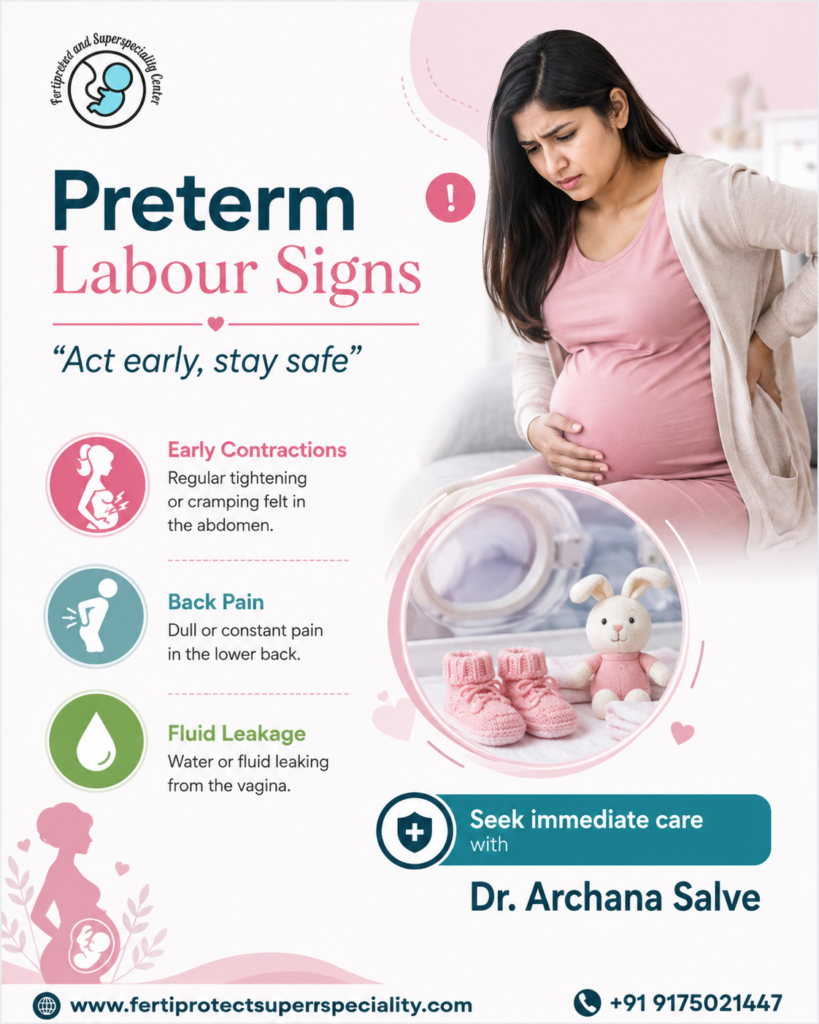
Pregnancy is an exciting journey, but it also requires close attention to your health and your baby’s well-being. One of the most important complications to be aware of is preterm labour, which occurs when labour begins before completing 37 weeks of pregnancy. Recognizing the warning signs early and seeking immediate medical care can make a significant difference in improving outcomes for both mother and baby.
According to Dr. Archana Salve, Gynaecologist in Viman Nagar, understanding the symptoms of preterm labour empowers expectant mothers to act quickly and receive timely treatment. Early diagnosis may help delay labour, improve fetal development, and reduce the risk of complications.
If you’re looking for a trusted Gynaecologist in Viman Nagar, here’s everything you should know about preterm labour and why early intervention matters.
What is Preterm Labour?
Preterm labour is the onset of regular uterine contractions that cause changes in the cervix before 37 completed weeks of pregnancy. Babies born prematurely may face challenges with breathing, feeding, temperature regulation, and immunity because their organs may not be fully developed.
Not every early contraction means labour, but persistent symptoms should always be evaluated by a qualified obstetrician.
Early Signs of Preterm Labour
Knowing the warning signs can help you seek prompt medical attention.
1. Regular Contractions
If you experience contractions every 10 minutes or more frequently before 37 weeks, it may be an early sign of labour. These contractions may feel like tightening or cramping in the abdomen.
2. Persistent Lower Back Pain
A dull, constant ache in the lower back that does not improve with rest can be a warning sign of preterm labour.
3. Fluid Leakage
A sudden gush or continuous leaking of fluid from the vagina may indicate that the amniotic sac has ruptured. This requires immediate medical evaluation.
4. Pelvic Pressure
Feeling as though your baby is pushing downward or increased pressure in the pelvis may indicate cervical changes.
5. Menstrual-Like Cramps
Persistent cramps in the lower abdomen, with or without diarrhoea, should not be ignored.
6. Vaginal Bleeding or Spotting
Any vaginal bleeding during pregnancy requires prompt medical attention.
Who is at Higher Risk of Preterm Labour?
Although preterm labour can occur in any pregnancy, certain factors increase the risk:
- Previous preterm birth
- Multiple pregnancy (twins or triplets)
- Short cervix
- Uterine abnormalities
- High blood pressure
- Gestational diabetes
- Infections during pregnancy
- Smoking or tobacco use
- Poor maternal nutrition
- Severe stress
- Maternal age below 18 or above 35 years
Even women without these risk factors can experience preterm labour, making regular antenatal care essential.
Why Early Diagnosis Matters
Timely medical care can significantly improve pregnancy outcomes.
Early diagnosis allows your doctor to:
- Confirm whether labour has actually started.
- Monitor the baby’s condition.
- Administer medications to slow contractions.
- Give steroid injections to help mature the baby’s lungs.
- Prevent infections when necessary.
- Plan delivery at an appropriate healthcare facility if required.
Prompt treatment often improves the baby’s chances of a healthy birth.
How is Preterm Labour Diagnosed?
At the clinic of Dr. Archana Salve, Gynaecologist in Viman Nagar, a detailed assessment helps determine whether symptoms indicate true preterm labour.
Diagnostic evaluation may include:
- Physical examination
- Cervical assessment
- Ultrasound scan
- Monitoring uterine contractions
- Fetal heart rate monitoring
- Urine and blood investigations
- Vaginal swab if infection is suspected
Accurate diagnosis ensures the most appropriate treatment plan.
Treatment Options
Treatment depends on the stage of pregnancy and the mother’s condition.
Possible treatment approaches include:
Medications to Delay Labour
Certain medicines may temporarily slow contractions, allowing more time for fetal development.
Steroid Injections
Corticosteroids help accelerate lung maturity if early delivery appears likely.
Magnesium Sulphate
In selected cases, magnesium sulphate may help protect the baby’s developing brain before premature birth.
Infection Management
If infection triggers preterm labour, appropriate antibiotics may be prescribed.
Hospital Observation
Some mothers require close monitoring until symptoms improve or delivery becomes necessary.
Tips to Reduce the Risk of Preterm Labour
While not all cases are preventable, healthy habits can lower your risk:
- Attend all scheduled prenatal check-ups.
- Eat a balanced, nutritious diet.
- Stay well hydrated.
- Avoid smoking and alcohol.
- Manage diabetes and high blood pressure.
- Get adequate rest.
- Avoid heavy physical strain if advised.
- Practice good hygiene to reduce infection risk.
- Report unusual symptoms immediately.
- Follow your doctor’s pregnancy care plan.
Why Choose Dr. Archana Salve?
If you are looking for an experienced Gynaecologist in Viman Nagar, Dr. Archana Salve provides comprehensive pregnancy care, high-risk obstetric management, infertility treatment, antenatal monitoring, and women’s healthcare with a patient-focused approach.
Her goal is to ensure a safe pregnancy through early diagnosis, regular monitoring, evidence-based treatment, and compassionate care for every mother.
Patients can easily find Dr. Archana Salve Gynaecologist in Viman Nagar on her Google Business Profile, where they can view verified patient reviews, clinic details, directions, and appointment information. The Dr. Archana Salve Gynaecologist in Viman Nagar Google Business Profile is regularly updated with pregnancy care tips, women’s health awareness, and useful educational content to help patients make informed healthcare decisions.
Conclusion
Preterm labour is a medical emergency that should never be ignored. Recognizing early warning signs such as regular contractions, lower back pain, fluid leakage, or pelvic pressure allows timely medical intervention that can improve outcomes for both mother and baby.
If you notice any symptoms before 37 weeks of pregnancy, seek immediate medical care. Early evaluation can make a significant difference.
For expert pregnancy care and high-risk obstetric management, consult Dr. Archana Salve, Gynaecologist in Viman Nagar, and ensure the best possible care throughout your pregnancy journey.
Book your appointment today for expert pregnancy care and peace of mind.
Frequently Asked Questions (FAQs)
1. What is considered preterm labour?
Preterm labour occurs when regular contractions begin before 37 completed weeks of pregnancy and lead to changes in the cervix.
2. Can preterm labour be stopped?
In some cases, medications can delay labour long enough to improve the baby’s outcomes, but treatment depends on the individual situation.
3. Should I visit the hospital if I have fluid leakage?
Yes. Any leakage of fluid from the vagina during pregnancy should be evaluated immediately by a healthcare professional.
4. Does every contraction mean preterm labour?
No. Some women experience Braxton Hicks (false labour) contractions. However, frequent, painful, or regular contractions before 37 weeks should always be assessed by a doctor.