
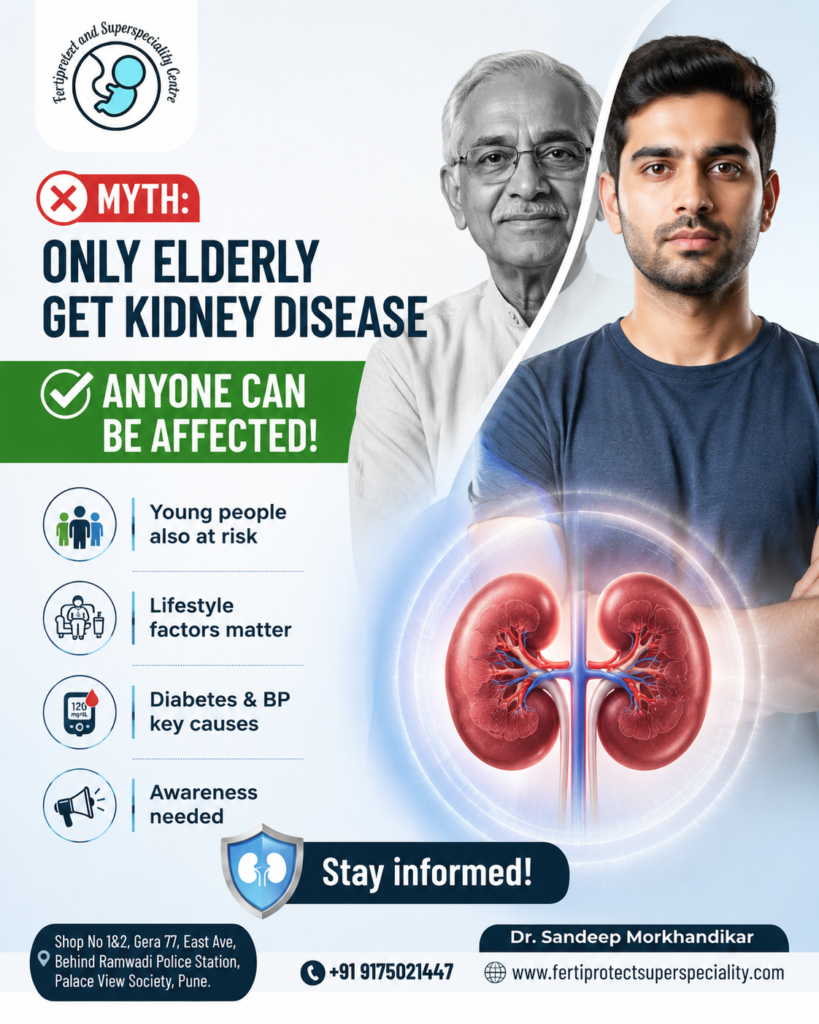
One of the biggest misconceptions about kidney disease is that it only affects older adults. While age is a risk factor, kidney disease can develop at any stage of life. Young adults, middle-aged individuals, and even children can experience kidney problems due to lifestyle habits, medical conditions, infections, or genetic factors.
According to Dr. Sandeep Morkhandikar, Top Kidney Specialist in Pune, early awareness and timely screening are essential because kidney disease often progresses silently without noticeable symptoms. By the time symptoms appear, kidney function may already be significantly affected.
If you are looking for expert kidney care, understanding the causes, warning signs, and preventive measures can help protect your kidney health and improve your quality of life.
Can Young People Get Kidney Disease?
Yes. Kidney disease is not limited to senior citizens. Increasing rates of diabetes, obesity, hypertension, unhealthy diets, smoking, and sedentary lifestyles have contributed to a rise in kidney disorders among younger adults.
Many people assume they are too young to develop kidney disease and ignore early symptoms such as fatigue or changes in urination. Unfortunately, this delay in diagnosis may lead to irreversible kidney damage.
That is why Dr. Sandeep Morkhandikar, Top Kidney Specialist in Pune, encourages regular health check-ups for individuals with known risk factors, regardless of age.
Common Causes of Kidney Disease
Kidneys play a vital role in filtering waste products, maintaining fluid balance, regulating blood pressure, and producing hormones essential for overall health. Several conditions can damage these important organs.
1. Diabetes
Diabetes is one of the leading causes of chronic kidney disease. High blood sugar levels gradually damage the tiny blood vessels in the kidneys, reducing their filtering ability.
Maintaining good blood sugar control significantly lowers the risk of kidney complications.
2. High Blood Pressure
Persistent high blood pressure puts excessive strain on kidney blood vessels, causing gradual damage over time.
Managing blood pressure through medication, exercise, and a healthy diet is essential for protecting kidney function.
3. Lifestyle Factors
Unhealthy lifestyle habits increase the risk of kidney disease.
These include:
- Smoking
- Excessive alcohol consumption
- High-salt diet
- Obesity
- Lack of physical activity
- Inadequate water intake
- Overuse of painkillers without medical advice
Healthy lifestyle choices can help preserve kidney function for years.
4. Family History
People with a family history of kidney disease may have a higher risk and should consider regular kidney health screenings.
5. Kidney Stones and Recurrent Infections
Repeated urinary tract infections or untreated kidney stones can damage the kidneys if not managed appropriately.
Early Warning Signs of Kidney Disease
Kidney disease often develops silently during its early stages.
Possible warning signs include:
- Swelling of feet and ankles
- Puffiness around the eyes
- Frequent urination, especially at night
- Blood in urine
- Foamy urine
- Fatigue and weakness
- Loss of appetite
- Persistent nausea
- Difficulty concentrating
- High blood pressure
These symptoms should never be ignored. Early medical evaluation allows timely treatment and better long-term outcomes.
Who Should Get Their Kidneys Checked?
Regular kidney screening is recommended for people who have:
- Diabetes
- High blood pressure
- Obesity
- Family history of kidney disease
- Recurrent kidney stones
- Chronic urinary tract infections
- Heart disease
- Autoimmune disorders
Even healthy adults benefit from periodic health check-ups, especially after the age of 30.
How Kidney Disease Is Diagnosed
At the clinic of Dr. Sandeep Morkhandikar, Top Kidney Specialist in Pune, patients undergo a comprehensive evaluation to identify kidney problems at an early stage.
Investigations may include:
- Blood tests (Kidney Function Test)
- Urine examination
- Urine protein analysis
- Blood pressure assessment
- Ultrasound of kidneys
- Estimated Glomerular Filtration Rate (eGFR)
- Additional imaging or kidney biopsy when necessary
Early diagnosis allows treatment before significant kidney damage occurs.
Treatment Options
Treatment depends on the underlying cause and stage of kidney disease.
Management may include:
Lifestyle Changes
- Low-salt diet
- Blood sugar control
- Weight management
- Regular exercise
- Smoking cessation
- Adequate hydration
Medications
Doctors may prescribe medicines to:
- Control blood pressure
- Manage diabetes
- Reduce protein loss in urine
- Treat infections
- Correct electrolyte imbalance
Advanced Kidney Care
For advanced kidney disease, treatment options may include:
- Specialized nephrology care
- Dialysis planning
- Kidney transplant counselling
- Long-term kidney disease management
Early intervention often delays or prevents progression to kidney failure.
Tips to Keep Your Kidneys Healthy
Protect your kidneys by following these healthy habits:
- Drink adequate water every day.
- Maintain healthy blood pressure.
- Keep diabetes under control.
- Eat a balanced diet rich in fruits and vegetables.
- Reduce processed and salty foods.
- Exercise regularly.
- Avoid smoking and excessive alcohol.
- Do not misuse painkillers.
- Get annual kidney health screening if you have risk factors.
- Consult a nephrologist if you notice unusual urinary symptoms.
Why Choose Dr. Sandeep Morkhandikar?
If you are searching for the Top Kidney Specialist in Pune, Dr. Sandeep Morkhandikar provides comprehensive diagnosis and treatment for a wide range of kidney disorders, including chronic kidney disease, diabetic kidney disease, hypertension-related kidney damage, kidney stones, urinary tract disorders, and electrolyte imbalances.
With a patient-first approach, advanced diagnostic facilities, and evidence-based treatment, he focuses on early detection, preventive care, and long-term kidney health.
Patients can also find Dr. Sandeep Morkhandikar Top Kidney Specialist in Pune on his Google Business Profile, where they can access verified patient reviews, clinic information, directions, and appointment details. The Dr. Sandeep Morkhandikar Top Kidney Specialist in Pune Google Business Profile is regularly updated with educational content and kidney health awareness to help patients make informed healthcare decisions.
Conclusion
Kidney disease does not affect only older adults. Anyone can develop kidney problems due to diabetes, high blood pressure, unhealthy lifestyle habits, infections, or genetic factors. The good news is that early diagnosis and timely treatment can prevent complications and protect kidney function.
If you experience changes in urination, swelling, persistent fatigue, or have diabetes or high blood pressure, don’t wait for symptoms to worsen. Consult Dr. Sandeep Morkhandikar, Top Kidney Specialist in Pune, for a comprehensive kidney evaluation and personalized treatment plan.
Your kidneys work hard every day—take the right steps today to keep them healthy for life.
Frequently Asked Questions (FAQs)
1. Can young adults develop kidney disease?
Yes. Kidney disease can affect people of all ages, especially those with diabetes, high blood pressure, obesity, or a family history of kidney disorders.
2. What are the earliest symptoms of kidney disease?
Early symptoms may include swelling, fatigue, frequent urination, foamy urine, blood in urine, and high blood pressure. Many people have no symptoms in the initial stages.
3. How often should I get my kidneys checked?
People with diabetes, hypertension, or other risk factors should undergo kidney function tests at least once a year or as advised by their nephrologist.
4. Can kidney disease be prevented?
Many cases can be prevented or delayed by maintaining a healthy lifestyle, controlling blood sugar and blood pressure, staying hydrated, avoiding smoking, and getting regular health screenings.