
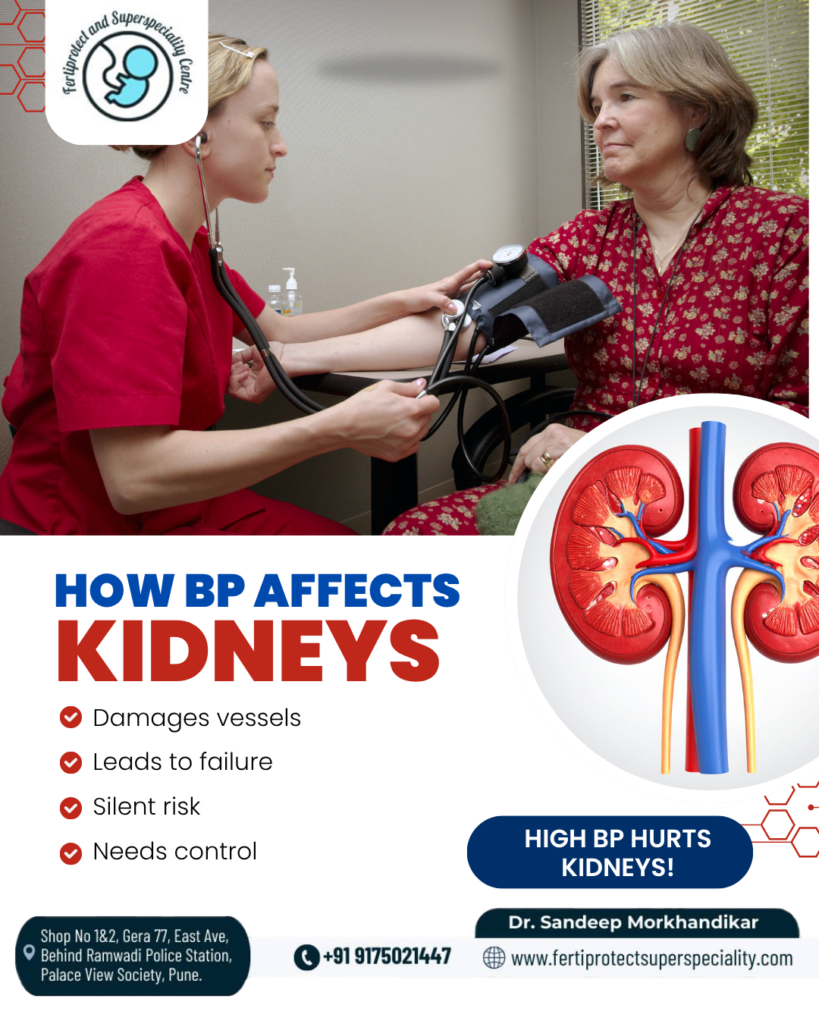
High blood pressure, also known as hypertension, is one of the most common lifestyle-related health conditions today. While many people understand its effects on the heart and brain, very few realize how seriously it can damage the kidneys. Uncontrolled blood pressure can slowly weaken kidney function over time and may eventually lead to chronic kidney disease or kidney failure.
According to Dr. Sandeep Morkhandikar Renal Specialist Pune, maintaining healthy blood pressure is extremely important for protecting kidney health and preventing long-term complications. Since kidney damage caused by hypertension often develops silently, regular health check-ups and early diagnosis are essential.
Understanding the Connection Between Blood Pressure and Kidneys
The kidneys play a vital role in filtering waste products, toxins, and excess fluids from the blood. They also help regulate blood pressure, maintain electrolyte balance, and support overall body function.
Healthy kidneys contain tiny blood vessels called nephrons that help filter blood efficiently. When blood pressure remains consistently high, these delicate blood vessels become damaged and narrow over time. As a result, the kidneys lose their ability to filter blood properly.
According to Dr. Sandeep Morkhandikar Renal Specialist Pune, uncontrolled hypertension is one of the leading causes of chronic kidney disease worldwide.
How High Blood Pressure Damages the Kidneys
Hypertension affects kidney function gradually. Many people may not notice symptoms until significant damage has already occurred.
1. Damage to Kidney Blood Vessels
High blood pressure puts excessive pressure on the blood vessels inside the kidneys. Over time, the vessels become thick, weak, or narrow, reducing blood flow to kidney tissues.
Reduced blood supply limits the kidneys’ ability to remove waste and extra fluids from the body.
2. Reduced Filtering Capacity
As kidney damage progresses, the filtering units become less effective. Waste products and toxins begin accumulating in the bloodstream, affecting overall health.
3. Fluid Retention and Swelling
Damaged kidneys cannot regulate fluid balance properly. This may lead to swelling in the legs, feet, face, or hands due to fluid retention.
4. Increased Risk of Kidney Failure
If hypertension remains uncontrolled for many years, the kidneys may gradually stop functioning effectively, leading to chronic kidney disease or kidney failure.
At Dr. Sandeep Morkhandikar Renal Specialist Pune, patients receive advanced kidney evaluations and personalized treatment plans to help preserve kidney function.
Why Kidney Damage from High BP is Called a Silent Risk
One of the biggest concerns about kidney disease is that symptoms often appear very late. Many people feel completely normal even while kidney damage is slowly progressing.
Common symptoms that may appear in later stages include:
- Swelling in feet or ankles
- Fatigue and weakness
- Frequent urination
- Foamy urine
- Loss of appetite
- Nausea or vomiting
- Difficulty concentrating
- Shortness of breath
According to Dr. Sandeep Morkhandikar Renal Specialist Pune, regular blood pressure monitoring and kidney function tests are crucial for early detection and prevention.
Who is at Higher Risk?
Certain individuals have a higher risk of developing hypertension-related kidney disease, including:
- People with long-term high blood pressure
- Diabetic patients
- Obese individuals
- Smokers
- People with family history of kidney disease
- Individuals with unhealthy dietary habits
- Older adults
If you fall into any of these categories, regular nephrology consultations can help monitor kidney health effectively.
Can Kidney Disease Increase Blood Pressure?
Yes, the relationship between blood pressure and kidneys works both ways. Damaged kidneys may also contribute to rising blood pressure levels.
When kidneys fail to regulate fluids and hormones properly, blood pressure may increase further, creating a harmful cycle that worsens kidney damage.
That is why early treatment and proper blood pressure control are extremely important.
How to Protect Your Kidneys from High Blood Pressure
Preventing kidney damage requires proper lifestyle management and regular medical care. Here are some important recommendations from Dr. Sandeep Morkhandikar Renal Specialist Pune:
1. Monitor Blood Pressure Regularly
Routine blood pressure checks help identify hypertension early and prevent complications.
2. Follow a Healthy Diet
Reduce salt intake and include fresh fruits, vegetables, whole grains, and balanced nutrition in your daily meals.
3. Stay Physically Active
Regular exercise improves blood circulation and helps maintain healthy blood pressure levels.
4. Maintain Healthy Weight
Obesity increases the risk of both hypertension and kidney disease. Weight management supports better kidney function.
5. Drink Adequate Water
Proper hydration supports kidney filtration and overall body health.
6. Avoid Smoking and Excess Alcohol
Smoking damages blood vessels and worsens kidney disease progression.
7. Take Medications Properly
Patients with hypertension should follow prescribed medications regularly and never stop treatment without medical advice.
Importance of Early Kidney Screening
Early diagnosis can significantly slow the progression of kidney disease. Regular screening tests may include:
- Blood pressure monitoring
- Blood creatinine test
- Urine analysis
- Kidney function tests
- Ultrasound imaging
At Dr. Sandeep Morkhandikar Renal Specialist Pune, advanced diagnostic support helps identify kidney-related complications at an early stage.
When Should You Consult a Renal Specialist?
You should consult a kidney specialist if you experience:
- Persistent high blood pressure
- Swelling in legs or face
- Abnormal kidney function reports
- Changes in urination
- Diabetes with hypertension
- Family history of kidney disease
Early medical care can help prevent severe kidney damage and improve long-term health outcomes.
Why Choose Dr. Sandeep Morkhandikar Renal Specialist Pune?
Dr. Sandeep Morkhandikar Renal Specialist Pune is dedicated to providing comprehensive kidney care with a patient-focused approach. From preventive nephrology to advanced kidney disease management, patients receive personalized care, accurate diagnosis, and evidence-based treatment.
With expertise in managing hypertension-related kidney disease, chronic kidney disease, and other renal disorders, Dr. Sandeep Morkhandikar focuses on preserving kidney function and improving overall quality of life.
Conclusion
High blood pressure can silently damage the kidneys over time and increase the risk of chronic kidney disease and kidney failure. Regular blood pressure monitoring, healthy lifestyle choices, and timely medical consultation are essential for protecting kidney health.
If you have hypertension or concerns about kidney function, consult Dr. Sandeep Morkhandikar Renal Specialist Pune for expert evaluation, preventive care, and advanced kidney treatment solutions.