
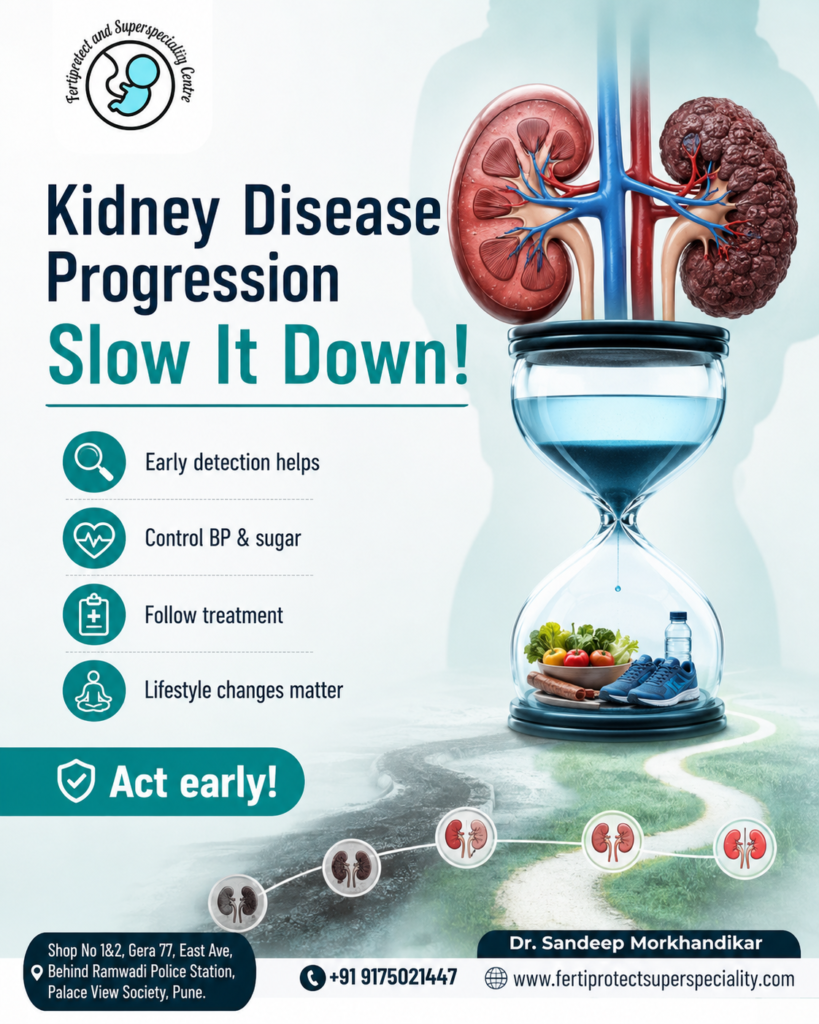
Your kidneys perform vital functions that keep your body healthy. They filter waste products, maintain fluid balance, regulate blood pressure, and support overall health. When kidney function gradually declines, it is known as Chronic Kidney Disease (CKD). Although CKD often develops slowly, early diagnosis and appropriate medical care can help slow its progression and preserve kidney function.
If you or a loved one has been diagnosed with kidney disease or has risk factors such as diabetes or high blood pressure, consulting Dr. Sandeep Morkhandikar Best Nephrologist in Pune can help you understand your condition and receive personalized guidance for long-term kidney health.
What is Chronic Kidney Disease (CKD)?
Chronic Kidney Disease is a long-term condition in which the kidneys gradually lose their ability to function effectively. In the early stages, many people experience few or no symptoms, making routine health screenings extremely important.
When kidney function decreases over time, waste products and excess fluids may accumulate in the body. Early identification allows doctors to recommend treatments and lifestyle changes that may help slow further kidney damage.
Who is at Higher Risk of Kidney Disease?
Certain individuals have a greater risk of developing kidney disease, including those with:
- High blood pressure (Hypertension)
- Diabetes
- Family history of kidney disease
- Heart disease
- Obesity
- Smoking habits
- Increasing age
- Recurrent kidney infections
People with these risk factors should consider regular kidney health check-ups for early detection.
Signs and Symptoms of Kidney Disease
Kidney disease may not cause noticeable symptoms in its early stages. As kidney function declines, symptoms may include:
- Swelling in the feet, ankles, or face
- Fatigue and weakness
- Reduced appetite
- Changes in urination
- High blood pressure
- Persistent nausea
- Difficulty concentrating
- Muscle cramps
These symptoms may also occur due to other medical conditions. Proper evaluation by a kidney specialist is important for an accurate diagnosis.
Why Early Detection Matters
One of the most effective ways to slow kidney disease progression is through early diagnosis. Routine kidney function tests can identify problems before significant kidney damage occurs.
Early detection allows doctors to:
- Monitor kidney function regularly.
- Identify the underlying cause.
- Manage contributing conditions.
- Recommend appropriate medications.
- Advise lifestyle modifications.
- Reduce the risk of complications.
Early intervention can make a meaningful difference in protecting long-term kidney health.
How to Slow Kidney Disease Progression
Although kidney disease cannot always be reversed, several healthy practices may help slow its progression.
1. Control Blood Pressure
High blood pressure is one of the leading causes of kidney damage. Keeping blood pressure within the target range recommended by your doctor helps protect kidney function.
2. Manage Blood Sugar Levels
For individuals with diabetes, maintaining healthy blood sugar levels is essential. Proper diabetes management can reduce the risk of further kidney damage.
3. Follow Your Treatment Plan
Taking medications exactly as prescribed and attending regular follow-up appointments allows your nephrologist to monitor kidney function and adjust treatment when necessary.
4. Eat a Kidney-Friendly Diet
A balanced diet supports overall kidney health. Your doctor or dietitian may recommend:
- Reducing excess salt intake
- Eating fresh fruits and vegetables as advised
- Choosing healthy protein sources
- Limiting processed foods
- Staying adequately hydrated according to medical advice
Diet recommendations should always be individualized based on your kidney function and overall health.
5. Stay Physically Active
Regular physical activity helps maintain a healthy weight, improves blood pressure control, and supports overall cardiovascular and kidney health.
6. Avoid Smoking and Limit Alcohol
Smoking may worsen kidney damage and increase cardiovascular risk. Limiting alcohol consumption and avoiding tobacco products contribute to better long-term health.
When Should You Consult a Nephrologist?
You should consider visiting a Best Nephrologist in Pune if you experience:
- Persistent swelling
- High blood pressure that is difficult to control
- Diabetes with abnormal kidney function tests
- Blood or protein in urine
- Family history of kidney disease
- Recurrent urinary or kidney infections
- Abnormal creatinine or eGFR reports
Early consultation helps ensure timely diagnosis and appropriate treatment.
How Dr. Sandeep Morkhandikar Can Help
Dr. Sandeep Morkhandikar Best Nephrologist in Pune provides comprehensive evaluation and evidence-based management for a wide range of kidney disorders. Every patient receives personalized care based on detailed medical history, laboratory investigations, imaging studies, and individual health requirements.
Whether you require preventive kidney health screening, management of chronic kidney disease, or long-term follow-up, Dr. Sandeep Morkhandikar Best Nephrologist in Pune focuses on delivering compassionate, patient-centered kidney care.
Using your Google Business Profile name, Dr. Sandeep Morkhandikar Best Nephrologist in Pune, consistently across your website and online content can also improve local SEO relevance while helping patients easily identify your practice.
Simple Tips for Healthy Kidneys
Healthy daily habits can support kidney function:
- Drink water as recommended by your healthcare provider.
- Eat a balanced, low-salt diet.
- Stay physically active.
- Maintain a healthy weight.
- Monitor blood pressure and blood sugar regularly.
- Avoid unnecessary painkiller use unless advised by a doctor.
- Schedule regular kidney health check-ups.
- Follow your prescribed treatment plan consistently.
Conclusion
Kidney disease often progresses silently, but early detection and timely medical care can help slow its progression and improve quality of life. Routine screenings, healthy lifestyle choices, and proper management of conditions such as diabetes and high blood pressure are essential for protecting kidney function.
If you have concerns about your kidney health or have been advised to undergo kidney evaluation, consult Dr. Sandeep Morkhandikar Best Nephrologist in Pune for a comprehensive assessment and personalized treatment plan. Taking action early can help support healthier kidneys for years to come.