Planning a pregnancy can bring many questions, especially when a woman has a hormonal condition that affects her menstrual cycle or ovulation. One of the common concerns is whether pregnancy is possible with polycystic ovary syndrome. The answer is yes. Many women with PCOS conceive naturally or with appropriate medical support. Understanding the condition, identifying individual fertility factors and receiving timely care can make the journey more informed and manageable.
For women in Kalyani Nagar, Pune, Dr. Archana Salve provides gynecological and fertility-focused care based on individual health needs. Her Google Business Profile, Dr. Archana Salve, Gynaecologist represents care for women seeking guidance related to reproductive health, fertility and pregnancy planning.
How PCOS Can Affect Fertility
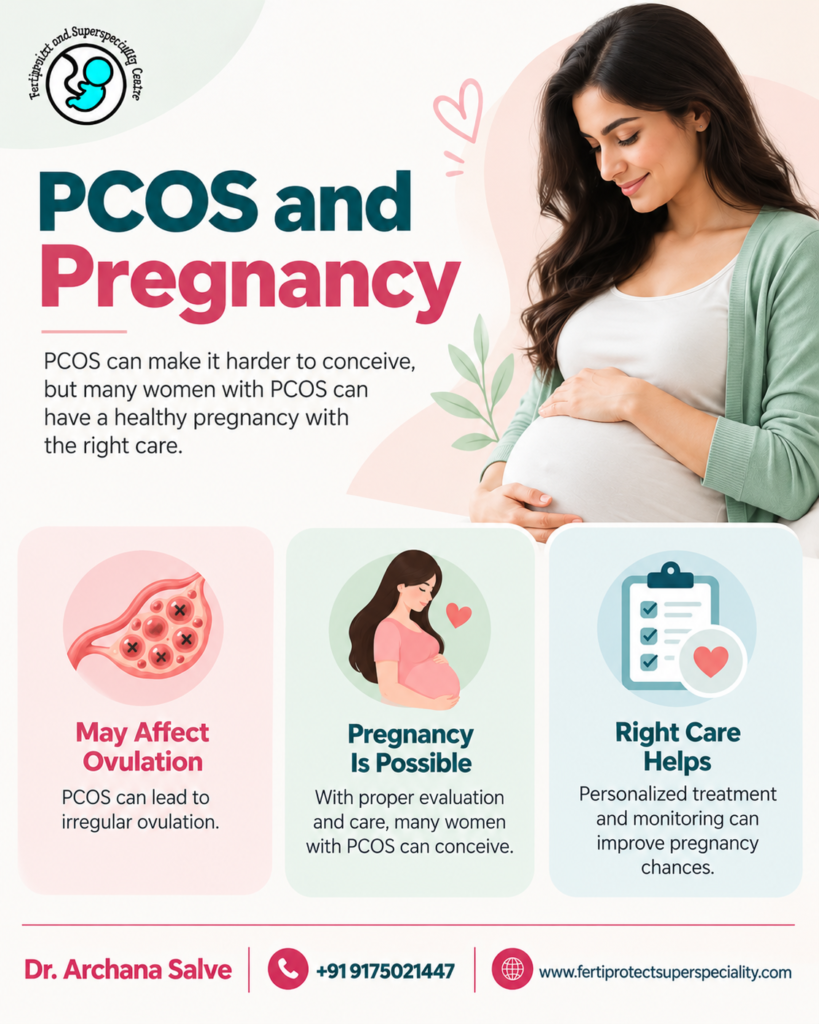
PCOS is a hormonal condition that can influence ovulation. Some women with PCOS ovulate regularly, while others may experience irregular or infrequent ovulation. Since ovulation is important for conception, irregular ovulation can make it harder to identify fertile days or conceive without assistance.
Women may also experience irregular periods, acne, increased facial or body hair, weight changes or other hormonal symptoms. However, symptoms vary significantly from one person to another. Having irregular periods does not automatically mean that pregnancy will be difficult.
Understanding your menstrual pattern and ovulation history is an important part of fertility planning. Ovulation tracking can sometimes help women understand their cycles better, while medical evaluation can identify whether additional support may be appropriate.
Can Women With PCOS Become Pregnant?
Yes. PCOS does not mean that pregnancy is impossible. Many women with the condition become pregnant after appropriate evaluation and, when required, fertility treatment.
The first step is usually understanding the woman’s overall reproductive health. A gynecologist may consider menstrual history, ovulation patterns, age, weight, medical history and other factors that can influence fertility.
It is also important not to assume that PCOS is the only possible reason for difficulty conceiving. Fertility involves both partners, so an appropriate evaluation may consider female and male reproductive factors when pregnancy does not occur as expected.
Importance of Preconception Care
Preparing for pregnancy before conception can be helpful for women with PCOS. A preconception consultation allows the doctor to review existing health concerns, medications, menstrual patterns and lifestyle factors.
Preconception care may include assessment of blood pressure, blood sugar, nutritional status and other factors depending on the individual’s medical history. Folic acid supplementation is also commonly recommended before conception, with the appropriate dose determined according to individual needs.
Maintaining a balanced diet, regular physical activity and a healthy sleep routine can support overall metabolic and reproductive health. Even modest lifestyle improvements may be useful for women who have metabolic concerns associated with PCOS.
Managing Ovulation Problems
When ovulation is irregular, a gynecologist can discuss suitable treatment options. The approach depends on the woman’s age, reproductive goals, medical history and other fertility factors.
For some women, lifestyle changes may be sufficient. Others may benefit from medication to support ovulation. Fertility treatment should always be individualized rather than based on a single symptom or diagnosis.
Fertility evaluation can help determine whether ovulation is occurring and whether other factors may be affecting conception.
Women should avoid taking fertility medicines or hormonal medications without medical supervision. Treatment that is appropriate for one person may not be suitable for another.
Pregnancy Monitoring After Conception
Once pregnancy occurs, women with PCOS may require appropriate prenatal monitoring based on their individual health profile. PCOS can be associated with metabolic concerns, so doctors may pay attention to factors such as blood pressure and blood glucose during pregnancy.
This does not mean that every woman with PCOS will experience pregnancy complications. Regular prenatal appointments allow the healthcare team to monitor maternal and fetal health and identify concerns when necessary.
Pregnancy care generally includes scheduled check-ups, recommended investigations, nutritional guidance and monitoring according to the stage of pregnancy.
Lifestyle Habits That Support Pregnancy Planning
A healthy routine can be an important part of managing PCOS and preparing for pregnancy. Regular movement, nutritious meals, adequate sleep and stress management can contribute to general well-being.
Rather than following restrictive diets, women should focus on balanced meals containing vegetables, fruits, whole grains, appropriate protein sources and healthy fats. Individual nutritional requirements may differ, particularly during pregnancy.
Regular physical activity can also support metabolic health. The type and intensity of exercise should be appropriate for the person’s fitness level and medical condition.
When Should You Consult a Gynecologist?
Women with PCOS who are planning pregnancy may benefit from a consultation before actively trying to conceive. This can help identify irregular ovulation, metabolic concerns or other factors that may need attention.
Medical guidance is especially useful when periods are very irregular, pregnancy has not occurred despite regular attempts, or there are additional symptoms or known health conditions.
Women should also seek professional advice rather than relying solely on online fertility calculators or self-prescribed supplements.
Personalized Care Matters
Every woman with PCOS has a different combination of symptoms, hormonal patterns and fertility goals. Therefore, treatment should not follow a one-size-fits-all approach.
Dr. Archana Salve focuses on understanding the individual patient’s concerns and providing appropriate gynecological and fertility guidance. For women seeking care in Kalyani Nagar, Pune, an individualized consultation can help clarify fertility concerns and determine the next appropriate steps.
Conclusion
PCOS can affect ovulation and menstrual regularity, but it does not eliminate the possibility of becoming pregnant. With appropriate evaluation, healthy lifestyle habits, timely fertility support and suitable prenatal monitoring, many women can move forward with confidence.
If you are planning a family and have irregular periods or concerns about ovulation, consider discussing your reproductive health with a qualified gynecologist. Early evaluation can provide clarity and help create a care plan suited to your individual needs.