Pregnancy is a beautiful journey filled with excitement and anticipation. However, it also brings significant changes to a woman’s body that require careful monitoring. One of the most important health concerns during pregnancy is high blood pressure (hypertension). If not managed properly, high blood pressure can affect both the mother and the developing baby.
Regular prenatal check-ups, timely diagnosis, and proper treatment can help ensure a healthy pregnancy. Dr. Archana Salve, Gynaecologist in Viman Nagar provides comprehensive pregnancy care and monitoring to help expectant mothers maintain optimal health throughout their pregnancy.
What Is High Blood Pressure in Pregnancy?
Blood pressure measures the force of blood against the walls of the arteries. During pregnancy, blood pressure should remain within a healthy range to ensure adequate blood flow to both the mother and the baby.
A blood pressure reading of 140/90 mmHg or higher is generally considered high during pregnancy and requires medical attention.
High blood pressure can develop before pregnancy or may occur during pregnancy. Proper monitoring helps prevent complications and supports a safer pregnancy journey.
Types of High Blood Pressure During Pregnancy
1. Chronic Hypertension
This occurs when a woman has high blood pressure before becoming pregnant or develops it before 20 weeks of pregnancy.
2. Gestational Hypertension
This condition develops after 20 weeks of pregnancy and usually resolves after delivery. However, it requires careful monitoring as it can progress to more serious conditions.
3. Preeclampsia
Preeclampsia is a serious pregnancy complication characterized by high blood pressure along with signs of organ damage, often affecting the kidneys or liver. It can pose risks to both mother and baby if not treated promptly.
Causes and Risk Factors
Although the exact cause of pregnancy-related hypertension is not always known, several factors may increase the risk.
Common risk factors include:
- First pregnancy
- Maternal age above 35 years
- Multiple pregnancy (twins or triplets)
- Obesity
- Diabetes
- Kidney disease
- Family history of hypertension
- Previous history of high blood pressure during pregnancy
- Autoimmune disorders
Women with these risk factors should undergo regular prenatal monitoring under the guidance of an experienced obstetrician and gynecologist.
Symptoms of High Blood Pressure in Pregnancy
High blood pressure may not always cause noticeable symptoms, which is why regular antenatal check-ups are essential.
However, some women may experience:
- Persistent headaches
- Blurred vision
- Swelling of the face, hands, or feet
- Dizziness
- Shortness of breath
- Sudden weight gain
- Upper abdominal pain
- Nausea or vomiting after mid-pregnancy
If any of these symptoms occur, immediate medical consultation is recommended.
How High Blood Pressure Can Affect the Mother
Uncontrolled hypertension during pregnancy can lead to serious health complications.
Potential maternal risks include:
Preeclampsia
A potentially dangerous condition that can affect multiple organs and increase the risk of seizures.
Eclampsia
A severe complication of preeclampsia involving seizures that require emergency medical treatment.
Placental Abruption
A condition where the placenta separates from the uterus before delivery, causing bleeding and risk to both mother and baby.
Organ Damage
Severe hypertension can affect the kidneys, liver, brain, and cardiovascular system.
Timely diagnosis and treatment can significantly reduce these risks.
Effects of High Blood Pressure on the Baby
High blood pressure can also impact the growth and development of the baby.
Possible complications include:
- Reduced blood flow to the placenta
- Low birth weight
- Restricted fetal growth
- Premature birth
- Low amniotic fluid levels
- Increased risk of neonatal complications
Regular fetal monitoring helps ensure the baby’s well-being throughout pregnancy.
Diagnosis and Monitoring
Early detection is the key to preventing complications associated with pregnancy-related hypertension.
At every prenatal visit, your healthcare provider may perform:
- Blood pressure measurement
- Urine testing for protein
- Blood investigations
- Weight monitoring
- Ultrasound scans
- Fetal growth assessments
- Doppler studies when required
Dr. Archana Salve Gynaecologist in Viman Nagar emphasizes regular antenatal care to identify potential concerns early and provide timely intervention.
Managing High Blood Pressure During Pregnancy
Proper management can help most women have a healthy pregnancy and safe delivery.
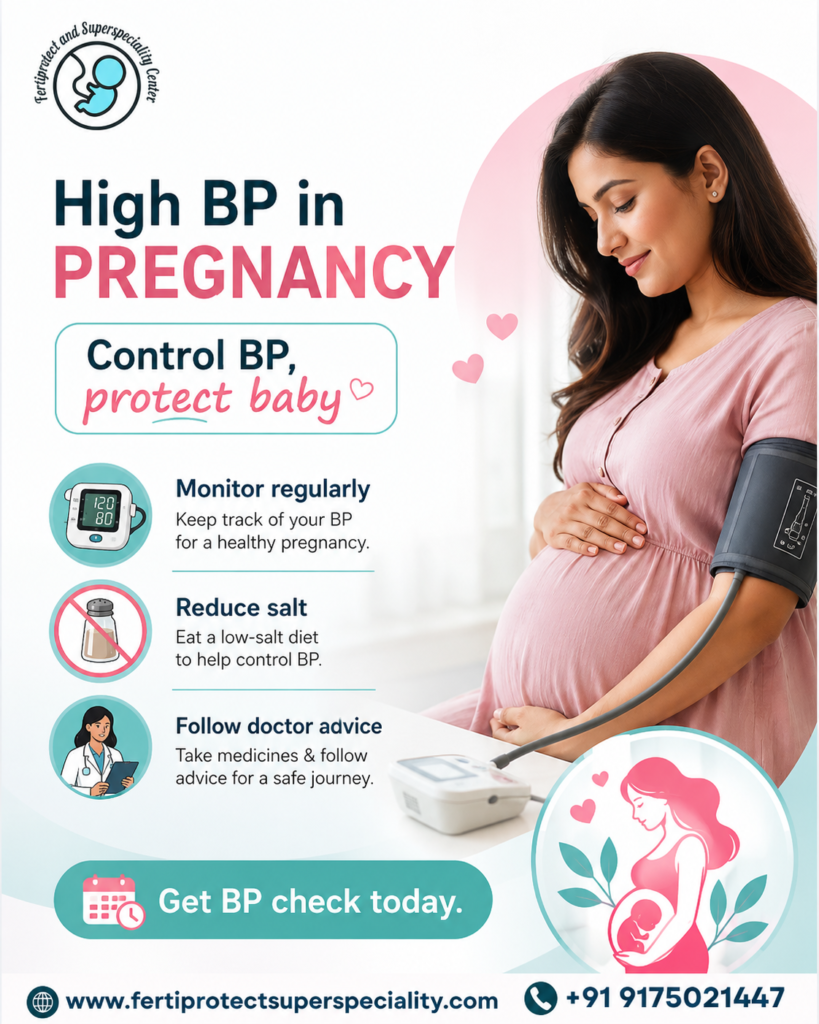
Monitor Blood Pressure Regularly
Regular blood pressure checks help detect any changes early and allow prompt treatment.
Follow a Healthy Diet
A balanced diet supports overall maternal and fetal health.
Recommendations include:
- Fresh fruits and vegetables
- Whole grains
- Adequate protein intake
- Reduced processed foods
- Controlled salt consumption
Stay Physically Active
Pregnancy-safe exercises, as advised by your doctor, can help maintain cardiovascular health and improve circulation.
Take Prescribed Medications
Some women may require medications that are safe for use during pregnancy. Never start or stop medications without consulting your doctor.
Attend Regular Prenatal Visits
Routine antenatal check-ups allow continuous monitoring of both mother and baby and help identify complications at an early stage.
When to Seek Immediate Medical Attention
Pregnant women should seek urgent medical care if they experience:
- Severe headache
- Sudden swelling of the face or hands
- Vision disturbances
- Severe abdominal pain
- Decreased fetal movements
- Chest pain
- Difficulty breathing
Prompt medical evaluation can prevent serious complications and improve pregnancy outcomes.
Expert Pregnancy Care with Dr. Archana Salve
High blood pressure during pregnancy requires expert monitoring, timely diagnosis, and personalized care. With proper management, most women can enjoy a healthy pregnancy and deliver healthy babies.
If you are planning a pregnancy, currently pregnant, or experiencing symptoms of high blood pressure, consult Dr. Archana Salve Gynaecologist in Viman Nagar for comprehensive antenatal care and pregnancy management.
At every stage of your motherhood journey, Dr. Archana Salve Gynaecologist in Viman Nagar is committed to providing compassionate, evidence-based care focused on the health and well-being of both mother and baby.