Pregnancy is a beautiful journey filled with excitement, anticipation, and significant changes in a woman’s body. During these nine months, proper nutrition and hydration play a crucial role in supporting both maternal health and fetal development. While many expectant mothers focus on eating nutritious foods, hydration is often overlooked despite being equally important.
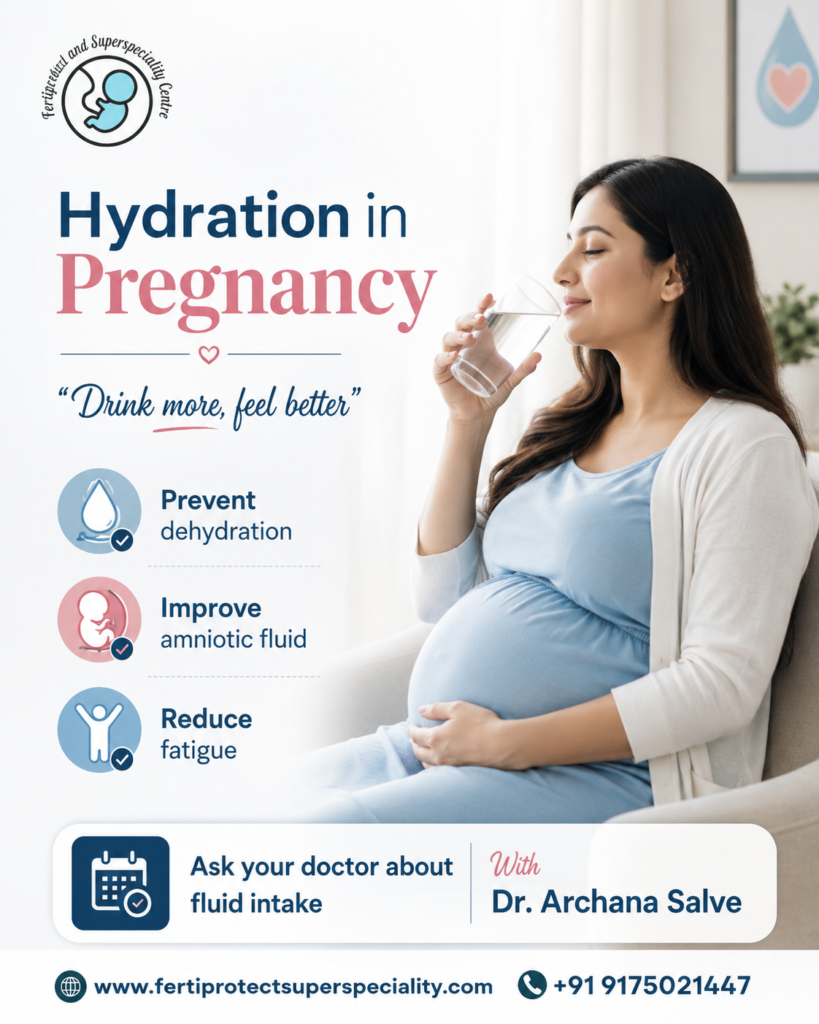
Water is essential for nearly every bodily function, and during pregnancy, the body’s fluid requirements increase significantly. Staying adequately hydrated helps support the growing baby, maintain amniotic fluid levels, improve circulation, and reduce common pregnancy discomforts.
According to Dr. Archana Salve Gynaecologist in Viman Nagar, maintaining proper hydration throughout pregnancy is one of the simplest yet most effective ways to support a healthy pregnancy and overall well-being.
Why Is Hydration Important During Pregnancy?
During pregnancy, a woman’s body undergoes remarkable physiological changes. Blood volume increases, hormones fluctuate, and the body works harder to nourish the developing baby. Water plays a vital role in supporting these processes.
Adequate hydration helps:
- Transport nutrients to the baby
- Support the formation of amniotic fluid
- Maintain healthy blood circulation
- Regulate body temperature
- Improve digestion
- Prevent dehydration-related complications
As a trusted Dr. Archana Salve Gynaecologist in Viman Nagar, Dr. Archana Salve often advises pregnant women to make hydration a daily priority for both maternal and fetal health.
Benefits of Staying Hydrated During Pregnancy
1. Prevents Dehydration
Dehydration can occur more easily during pregnancy due to increased fluid requirements. Even mild dehydration may lead to fatigue, headaches, dizziness, and reduced energy levels.
Severe dehydration can increase the risk of:
- Preterm contractions
- Reduced amniotic fluid levels
- Urinary tract infections
- Kidney-related issues
Regular water intake helps maintain the body’s fluid balance and reduces these risks.
2. Supports Healthy Amniotic Fluid Levels
Amniotic fluid surrounds and protects the baby throughout pregnancy. It plays a critical role in fetal growth and development.
Proper hydration contributes to:
- Healthy amniotic fluid volume
- Better fetal movement
- Protection from external pressure
- Healthy lung and musculoskeletal development
Women with low amniotic fluid levels may be advised by their healthcare provider to increase their fluid intake.
3. Reduces Fatigue and Improves Energy
Many pregnant women experience tiredness, especially during the first and third trimesters. Dehydration can worsen fatigue and make daily activities more challenging.
Drinking sufficient water helps:
- Improve circulation
- Deliver oxygen efficiently
- Maintain energy levels
- Reduce feelings of exhaustion
Following hydration recommendations from Dr. Archana Salve, Best Gynaecologist in Viman Nagar, can help expectant mothers feel more energetic throughout pregnancy.
4. Improves Digestion and Prevents Constipation
Constipation is a common pregnancy complaint caused by hormonal changes and pressure from the growing uterus.
Water helps:
- Soften stools
- Support healthy bowel movements
- Improve digestion
- Reduce bloating
Combining adequate water intake with a fiber-rich diet can significantly improve digestive comfort during pregnancy.
5. Helps Prevent Urinary Tract Infections
Pregnant women are more susceptible to urinary tract infections (UTIs). Staying hydrated helps flush bacteria from the urinary tract and reduces infection risk.
Benefits include:
- Improved urinary health
- Reduced bacterial growth
- Better kidney function
Prompt treatment and prevention of UTIs are important for maternal and fetal well-being.
6. Supports Healthy Blood Circulation
During pregnancy, blood volume increases by approximately 30–50% to support the developing baby.
Proper hydration:
- Supports healthy circulation
- Helps transport nutrients
- Maintains oxygen delivery
- Reduces the risk of dizziness
Good circulation is essential for both maternal health and fetal growth.
Signs of Dehydration During Pregnancy
Recognizing dehydration early can help prevent complications.
Common symptoms include:
- Dark yellow urine
- Dry mouth
- Headaches
- Dizziness
- Fatigue
- Reduced urination
- Increased thirst
- Muscle cramps
If dehydration symptoms become severe, immediate medical attention may be necessary.
How Much Water Should Pregnant Women Drink?
Fluid requirements vary depending on age, activity level, climate, and overall health. However, most pregnant women should aim for approximately 8–12 glasses of water per day.
Additional fluids may be needed if:
- You exercise regularly
- You live in a hot climate
- You experience excessive sweating
- You have vomiting due to morning sickness
For personalized guidance, consulting Dr. Archana Salve Gynaecologist in Viman Nagar can help determine the right hydration goals based on individual needs.
Healthy Ways to Stay Hydrated During Pregnancy
Carry a Water Bottle
Keeping a water bottle nearby serves as a reminder to drink regularly throughout the day.
Eat Water-Rich Foods
Many fruits and vegetables contribute to daily hydration, including:
- Watermelon
- Cucumber
- Oranges
- Strawberries
- Lettuce
Set Hydration Goals
Tracking daily water intake can help maintain consistency.
Choose Healthy Fluids
Apart from water, good hydration options include:
- Coconut water
- Milk
- Fresh fruit-infused water
- Homemade soups
Avoid excessive sugary beverages and caffeinated drinks, as they may contribute to dehydration.
Drink Small Amounts Frequently
Women experiencing nausea may find it easier to sip water throughout the day rather than drinking large amounts at once.
When Should You Consult a Gynaecologist?
Pregnant women should seek medical advice if they experience:
- Persistent vomiting
- Severe dehydration symptoms
- Reduced fetal movements
- Dizziness or fainting
- Signs of urinary tract infection
- Low amniotic fluid concerns
Regular prenatal visits help ensure both mother and baby remain healthy throughout pregnancy.
Why Choose Dr. Archana Salve for Pregnancy Care?
Pregnancy requires expert monitoring, personalized care, and ongoing support. Dr. Archana Salve Gynaecologist in Viman Nagar is committed to providing comprehensive antenatal care, pregnancy counseling, and women’s healthcare services tailored to each patient’s needs.
Patients searching online for Dr. Archana Salve Gynaecologist in Viman Nagar can benefit from professional guidance on pregnancy nutrition, hydration, fetal health, prenatal care, and safe pregnancy management. With a patient-centered approach, Dr. Archana Salve focuses on ensuring a healthy and comfortable pregnancy journey for every mother.
Conclusion
Hydration is a simple yet powerful component of a healthy pregnancy. Drinking enough water supports fetal development, maintains amniotic fluid levels, improves digestion, enhances circulation, and helps prevent dehydration-related complications.
Every expectant mother should prioritize hydration as part of her daily routine. If you have concerns about fluid intake, pregnancy health, or prenatal care, consult Dr. Archana Salve, Best Gynaecologist in Viman Nagar, for expert advice and personalized pregnancy care.