
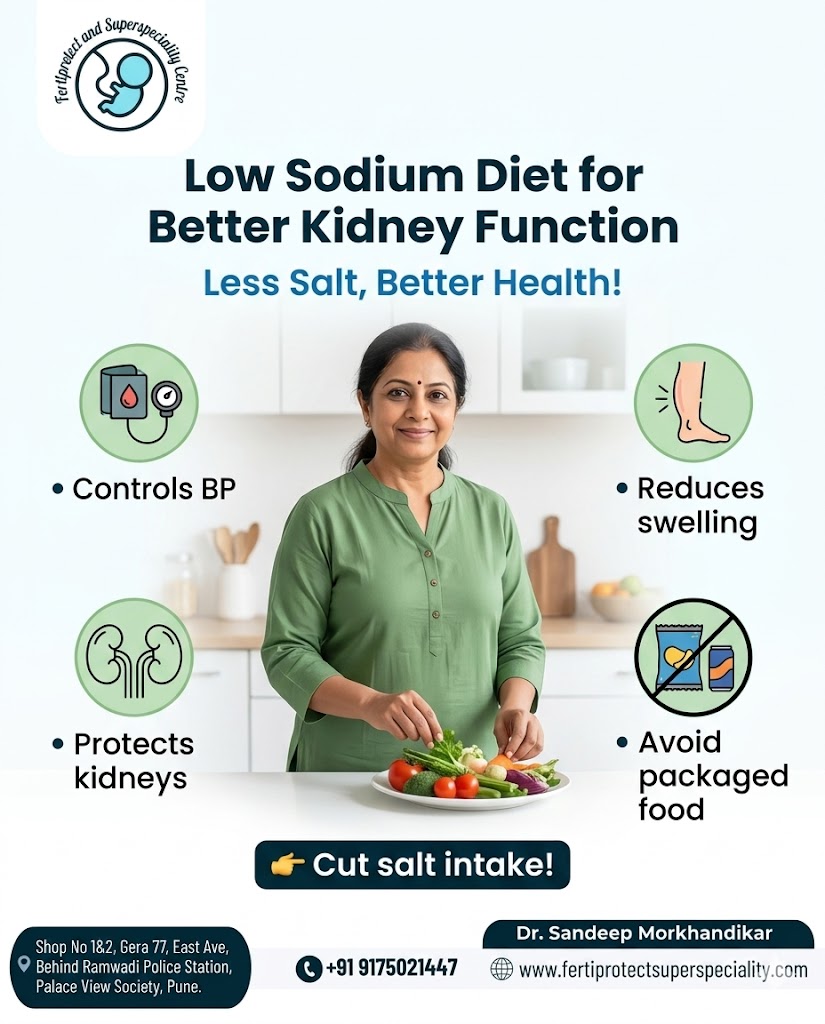
Your kidneys play a vital role in maintaining overall health by filtering waste products, balancing fluids, regulating blood pressure, and maintaining electrolyte levels in the body. However, unhealthy dietary habits, especially excessive salt consumption, can put significant stress on the kidneys and increase the risk of kidney disease.
One of the most effective lifestyle changes for protecting kidney health is following a low sodium diet. Reducing salt intake can help control blood pressure, reduce fluid retention, and slow the progression of kidney disease. According to Dr. Sandeep Morkhandikar Top Kidney Specialist Pune, adopting a kidney-friendly diet is an essential step toward preserving kidney function and improving long-term health outcomes.
Understanding Sodium and Its Impact on Kidney Health
Sodium is an essential mineral that helps regulate fluid balance, nerve function, and muscle contractions. While the body requires a small amount of sodium to function properly, excessive consumption can have harmful effects.
Most people consume significantly more sodium than recommended, mainly through processed foods, packaged snacks, restaurant meals, and fast food. Excess sodium causes the body to retain water, increasing the workload on the kidneys and raising blood pressure levels.
For individuals with kidney disease or those at risk of developing kidney problems, limiting sodium intake is particularly important.
Why Is a Low Sodium Diet Important for Kidney Function?
A low sodium diet supports kidney health in several ways. It reduces the burden on the kidneys and helps maintain a healthy balance of fluids and minerals in the body.
1. Helps Control Blood Pressure
High blood pressure is one of the leading causes of chronic kidney disease. Excess sodium causes the body to retain fluid, increasing blood volume and putting additional pressure on blood vessels.
Reducing sodium intake can:
- Lower blood pressure
- Improve cardiovascular health
- Reduce strain on the kidneys
- Slow kidney damage progression
Dr. Sandeep Morkhandikar Top Kidney Specialist Pune often recommends sodium restriction as part of a comprehensive kidney care plan, especially for patients with hypertension.
2. Reduces Swelling and Fluid Retention
When kidneys are unable to remove excess sodium efficiently, fluid accumulates in the body, leading to swelling in the legs, ankles, hands, and face.
A low sodium diet helps:
- Reduce water retention
- Minimize swelling
- Improve comfort and mobility
- Support healthy fluid balance
Patients with chronic kidney disease frequently experience fluid retention, making sodium control a critical aspect of treatment.
3. Protects Kidney Function
Healthy kidneys work continuously to maintain the body’s balance of fluids and electrolytes. Excess sodium forces the kidneys to work harder, potentially accelerating kidney damage over time.
Limiting sodium can:
- Reduce kidney workload
- Support filtration function
- Prevent further kidney deterioration
- Improve long-term kidney health
Following dietary advice from Dr. Sandeep Morkhandikar Top Kidney Specialist Pune can help patients manage kidney disease more effectively and preserve kidney function for years to come.
4. Lowers the Risk of Kidney Disease Progression
For individuals already diagnosed with kidney disease, a low sodium diet can significantly slow disease progression.
Benefits include:
- Better blood pressure control
- Reduced protein loss in urine
- Improved response to medications
- Lower risk of kidney failure
Combined with medical management, dietary modifications can make a meaningful difference in disease outcomes.
Common Sources of Hidden Sodium
Many people believe that avoiding table salt is enough, but most dietary sodium comes from processed and packaged foods.
Common high-sodium foods include:
- Chips and packaged snacks
- Instant noodles
- Processed meats
- Pickles and chutneys
- Fast food
- Frozen meals
- Canned soups
- Bakery products
- Sauces and condiments
Reading food labels carefully can help identify hidden sources of sodium.
Foods to Include in a Kidney-Friendly Low Sodium Diet
A balanced kidney-friendly diet should focus on fresh, minimally processed foods.
Fresh Fruits and Vegetables
These are naturally low in sodium and rich in vitamins, minerals, and antioxidants.
Examples include:
- Apples
- Berries
- Cucumbers
- Carrots
- Cauliflower
- Bell peppers
Whole Grains
Choose:
- Brown rice
- Oats
- Quinoa
- Whole wheat products
Lean Protein Sources
Healthy protein options include:
- Fish
- Skinless chicken
- Eggs
- Plant-based proteins (as recommended by your doctor)
Healthy Fats
Incorporate:
- Olive oil
- Nuts (in moderation)
- Seeds
A personalized nutrition plan can help ensure adequate nutrient intake while protecting kidney health.
Practical Tips to Reduce Sodium Intake
Cook More Meals at Home
Preparing food at home gives you greater control over sodium content and ingredient quality.
Use Herbs and Spices
Instead of salt, enhance flavor with:
- Garlic
- Ginger
- Lemon juice
- Basil
- Coriander
- Black pepper
Read Nutrition Labels
Look for:
- Low sodium products
- Sodium-free options
- Reduced-salt alternatives
Avoid Processed Foods
Fresh foods are generally healthier and contain significantly less sodium than packaged alternatives.
Limit Restaurant Meals
Restaurant dishes often contain high amounts of hidden sodium, even when they do not taste salty.
Who Should Follow a Low Sodium Diet?
A low sodium diet is particularly beneficial for:
- Patients with chronic kidney disease
- Individuals with high blood pressure
- People with heart disease
- Those experiencing fluid retention
- Individuals at risk of kidney damage
Consulting a kidney specialist can help determine the appropriate sodium intake based on individual health needs.
When to Consult a Kidney Specialist
Seek medical advice if you experience:
- Persistent swelling
- High blood pressure
- Changes in urination
- Fatigue
- Kidney-related symptoms
- Family history of kidney disease
Early diagnosis and treatment can significantly improve outcomes and prevent complications.
Why Choose Dr. Sandeep Morkhandikar for Kidney Care in Pune?
When it comes to kidney health, expert guidance and timely intervention are essential. Dr. Sandeep Morkhandikar Top Kidney Specialist Pune provides comprehensive evaluation, diagnosis, and treatment for kidney-related conditions. With a patient-focused approach, he helps individuals manage chronic kidney disease, hypertension-related kidney problems, fluid retention, and other renal disorders through evidence-based treatment and personalized dietary guidance.
Patients searching online for Dr. Sandeep Morkhandikar Top Kidney Specialist Pune can trust his expertise in delivering advanced kidney care and long-term health solutions.
Conclusion
A low sodium diet is one of the most effective ways to support kidney health and prevent complications associated with kidney disease. By reducing salt intake, controlling blood pressure, minimizing swelling, and choosing fresh, nutritious foods, individuals can significantly improve kidney function and overall well-being.
If you have concerns about kidney health or require expert guidance on a kidney-friendly diet, consult Dr. Sandeep Morkhandikar Top Kidney Specialist Pune for personalized care and comprehensive kidney management.