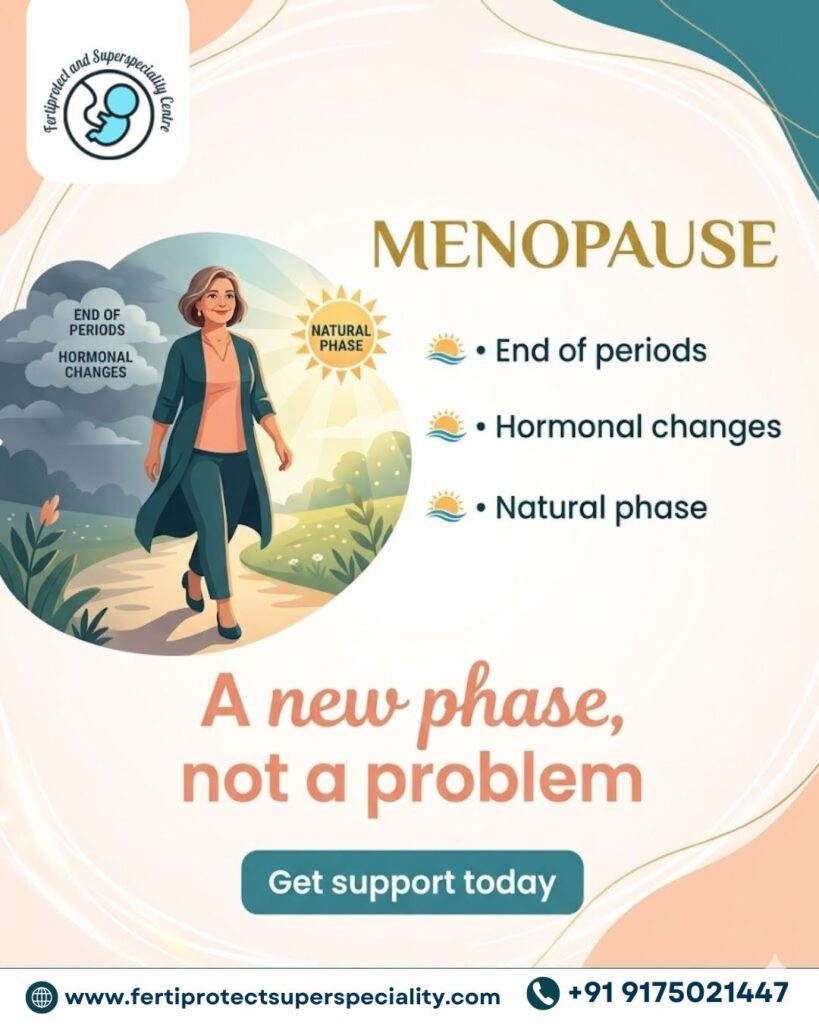
Menopause is a natural stage in every woman’s life, yet it is often surrounded by confusion, myths, and unnecessary anxiety. While the end of menstrual periods marks a significant hormonal transition, menopause is not a disease or a problem—it is simply a new chapter in a woman’s journey. With the right information, support, and medical guidance, women can navigate this phase confidently and maintain excellent physical and emotional well-being.
As Dr. Archana Salve Gynaecologist in Pashan, I frequently meet women who have concerns about menopause symptoms, hormonal changes, and long-term health effects. Understanding what happens during menopause and knowing how to manage symptoms can make this transition smoother and healthier.
What Is Menopause?
Menopause is defined as the permanent cessation of menstrual periods for 12 consecutive months. It occurs when the ovaries gradually reduce the production of estrogen and progesterone, the primary female reproductive hormones.
Most women experience menopause between the ages of 45 and 55, although the timing can vary depending on genetics, lifestyle, and overall health.
Menopause is not an illness but a natural biological process that signals the end of reproductive years.
Understanding the Stages of Menopause
1. Perimenopause
Perimenopause is the transition period leading up to menopause. During this phase, hormone levels begin fluctuating, causing irregular menstrual cycles and various symptoms.
Women may experience:
- Irregular periods
- Hot flashes
- Mood changes
- Sleep disturbances
- Increased fatigue
This phase can last several years before menopause officially occurs.
2. Menopause
A woman is considered menopausal when she has not had a menstrual period for 12 consecutive months.
At this stage, estrogen production significantly decreases, leading to hormonal changes throughout the body.
3. Postmenopause
Postmenopause refers to the years after menopause. While some symptoms may improve over time, women should continue focusing on preventive healthcare, bone health, and cardiovascular wellness.
At Dr. Archana Salve Gynaecologist in Pashan, we help women maintain optimal health during every stage of menopause.
Common Symptoms of Menopause
Every woman experiences menopause differently. Some may have mild symptoms, while others face more significant challenges.
Common menopause symptoms include:
Hot Flashes
Sudden feelings of warmth, often affecting the face, neck, and chest, are among the most common menopause symptoms.
Night Sweats
Many women experience excessive sweating during sleep, which can disrupt rest and lead to fatigue.
Mood Changes
Hormonal fluctuations may contribute to irritability, anxiety, mood swings, and emotional sensitivity.
Sleep Problems
Difficulty falling asleep or staying asleep is frequently reported during menopause.
Vaginal Dryness
Reduced estrogen levels can lead to vaginal dryness, discomfort, and changes in sexual health.
Weight Gain
Metabolic changes may make it easier to gain weight, especially around the abdomen.
Reduced Bone Density
Lower estrogen levels increase the risk of osteoporosis and fractures over time.
Why Menopause Should Not Be Feared
Many women associate menopause with aging and declining health. However, menopause should be viewed as a natural life transition rather than a negative event.
In fact, many women enjoy several benefits after menopause, including:
- Freedom from menstrual cycles
- No pregnancy concerns
- Greater focus on personal health and wellness
- Increased awareness of preventive healthcare
With proper medical support and healthy lifestyle choices, women can remain active, energetic, and healthy well beyond menopause.
Tips for Managing Menopause Naturally
Maintain a Healthy Diet
A balanced diet rich in calcium, vitamin D, protein, fruits, and vegetables supports overall health and helps protect bones.
Foods that may be beneficial include:
- Dairy products
- Leafy green vegetables
- Nuts and seeds
- Fish rich in omega-3 fatty acids
- Whole grains
Stay Physically Active
Regular exercise helps manage weight, improve mood, strengthen bones, and reduce cardiovascular risks.
Recommended activities include:
- Walking
- Yoga
- Strength training
- Swimming
- Cycling
Prioritize Sleep
Establishing healthy sleep habits can help reduce fatigue and improve emotional well-being.
Manage Stress
Meditation, deep breathing exercises, mindfulness, and relaxation techniques can help control stress and anxiety.
Schedule Regular Health Checkups
Routine gynecological examinations play a crucial role in monitoring health during and after menopause.
As Dr. Archana Salve Gynaecologist in Pashan, I encourage women to prioritize preventive care throughout this stage of life.
Long-Term Health Considerations After Menopause
The decline in estrogen levels can affect multiple aspects of health, making regular screenings especially important.
Bone Health
Women become more susceptible to osteoporosis after menopause. Bone density assessments and proper nutrition are essential for prevention.
Heart Health
Postmenopausal women may have an increased risk of cardiovascular disease. Maintaining healthy blood pressure, cholesterol levels, and weight is important.
Women’s Preventive Healthcare
Regular screenings such as:
- Pap smear tests
- Breast examinations
- Mammography
- Pelvic health assessments
can help detect health concerns early and ensure timely treatment.
When Should You Consult a Gynaecologist?
You should seek medical advice if you experience:
- Severe hot flashes
- Heavy or irregular bleeding
- Persistent sleep disturbances
- Mood disorders
- Vaginal discomfort
- Sudden weight changes
- Concerns about osteoporosis or heart health
Professional guidance can help you manage symptoms effectively and improve your quality of life.
Expert Menopause Care with Dr. Archana Salve Gynaecologist in Pashan
At Dr. Archana Salve Gynaecologist in Pashan, we provide comprehensive women’s healthcare services, including menopause counseling, hormonal health assessments, preventive screenings, and personalized treatment plans. Every woman experiences menopause differently, which is why individualized care is essential for achieving the best outcomes.
Whether you are entering perimenopause, experiencing menopause symptoms, or seeking postmenopausal health guidance, expert support can help you stay healthy, confident, and informed.
Conclusion
Menopause marks the end of menstrual periods, but it also represents the beginning of a new and empowering phase of life. Understanding hormonal changes, maintaining a healthy lifestyle, and seeking expert medical care can help women navigate this transition successfully.
If you are experiencing menopause symptoms or would like personalized guidance, consult Dr. Archana Salve Gynaecologist in Pashan for expert women’s healthcare and menopause management. With the right support, menopause can truly be viewed as a new phase, not a problem.