
Kidney stones are a common urinary health concern that can cause significant discomfort when they move through the urinary tract. They develop when certain minerals and salts in the urine become concentrated and form crystals that gradually grow into stones. While some kidney stones may pass naturally, others can cause severe pain or require medical treatment.
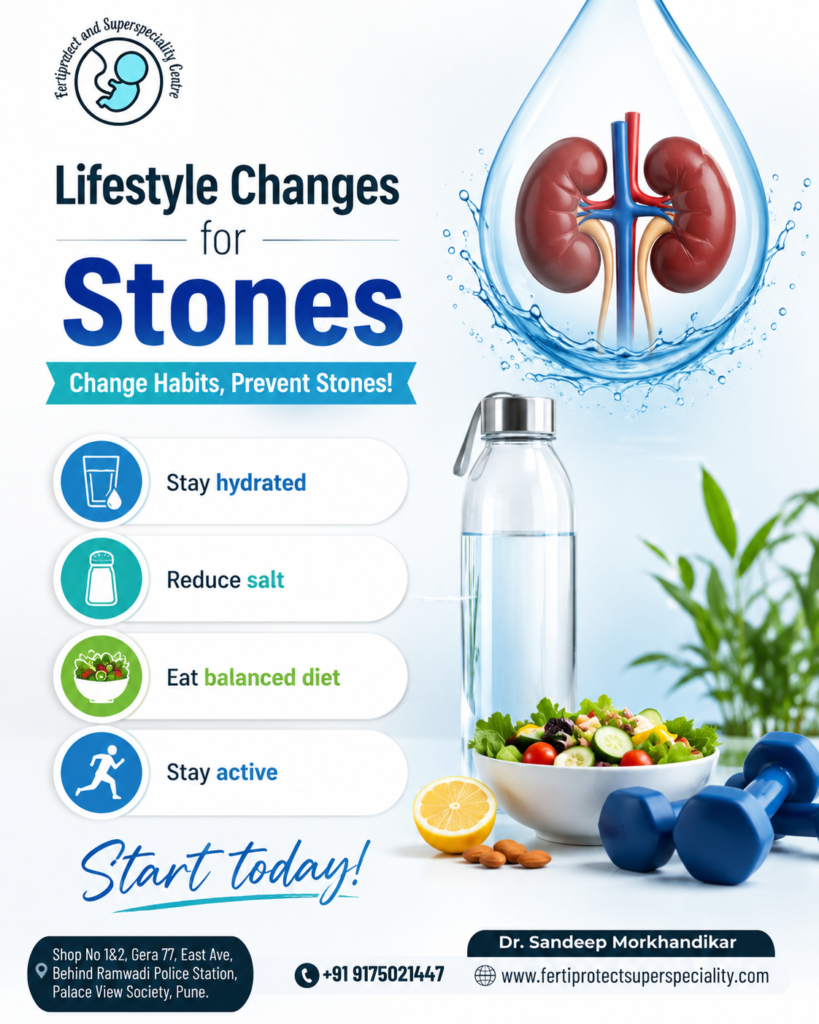
The good news is that certain lifestyle habits may help reduce the risk of developing kidney stones. Staying adequately hydrated, maintaining a balanced diet, limiting excess salt, and following a healthy lifestyle are important steps that can support overall kidney and urinary health.
If you have a history of kidney stones or are concerned about your kidney health, consulting a qualified specialist can help you understand your individual risk factors. Dr. Sandeep Morkhandikar, Renal Specialist in Pune, can provide professional guidance and help patients understand appropriate approaches to kidney health and stone prevention.
Stay Well Hydrated
One of the most important habits for kidney stone prevention is maintaining adequate fluid intake. Drinking enough water helps dilute substances in the urine that may contribute to stone formation.
When you are properly hydrated, your urine is generally less concentrated, which may reduce the likelihood of certain crystals forming and growing into stones. Fluid requirements can vary depending on factors such as weather, physical activity, diet, and individual health conditions.
People who live in hot environments or sweat heavily during exercise may need to pay particular attention to hydration. However, individuals with certain kidney, heart, or other medical conditions may have specific fluid restrictions. Therefore, it is best to follow personalized medical advice if you have an existing health condition.
Reduce Excess Salt in Your Diet
A diet high in sodium may increase the amount of calcium excreted in the urine, which can contribute to the formation of certain types of kidney stones.
Reducing excessive salt intake can therefore be an important part of a kidney-friendly lifestyle. Try to limit highly processed foods, packaged snacks, instant meals, and other foods that may contain large amounts of sodium.
Instead, focus on fresh, minimally processed foods and read nutrition labels when choosing packaged products. Small changes in everyday eating habits can contribute to better overall health.
Follow a Balanced Diet
A balanced diet plays an important role in maintaining general health and supporting kidney function. Include a variety of vegetables, fruits, whole grains, and other nutritious foods as part of your daily meals.
However, kidney stone prevention is not the same for everyone. Different types of kidney stones can have different dietary risk factors. For example, dietary recommendations may vary depending on whether a person has calcium oxalate, uric acid, or another type of stone.
For this reason, individuals with recurrent kidney stones may benefit from a medical evaluation to identify possible contributing factors. Your doctor may recommend dietary adjustments based on your medical history and, when appropriate, investigations of the stone type or urine composition.
Maintain a Healthy Weight and Stay Active
Regular physical activity is beneficial for overall health and can support a healthy weight. Incorporating suitable activities such as walking, cycling, swimming, or other forms of exercise into your routine can be a positive lifestyle choice.
Being physically active may also help reduce the risk of several health conditions that can indirectly affect overall kidney health.
Choose activities that are appropriate for your fitness level and health status. If you have an existing medical condition, consult your healthcare professional before beginning a new exercise routine.
Know Your Personal Risk Factors
Kidney stone formation can be influenced by several factors, including family history, previous stones, dietary habits, certain medical conditions, and environmental factors.
If you have experienced kidney stones in the past, there may be a higher risk of developing them again. In such situations, identifying possible causes can be an important part of prevention.
Depending on your circumstances, a specialist may recommend specific tests to better understand your risk. Personalized advice can be more effective than following general dietary restrictions without knowing the type or cause of your stones.
Do Not Ignore Kidney Stone Symptoms
Kidney stones can sometimes cause sudden and severe pain, often felt in the side or back and potentially moving toward the lower abdomen or groin. Other symptoms may include blood in the urine, nausea, vomiting, or discomfort during urination.
If you experience severe pain, fever, chills, difficulty urinating, or other concerning symptoms, seek medical attention promptly. These symptoms can sometimes indicate complications that require urgent evaluation.
Even when a stone passes naturally, discussing recurrent episodes with a healthcare professional can help identify strategies to reduce the risk of future stones.
When Should You Consult a Renal Specialist?
If you have recurrent kidney stones, abnormal kidney function, or concerns about your kidney health, professional evaluation can help you understand your condition and appropriate preventive measures.
Dr. Sandeep Morkhandikar, Renal Specialist in Pune, provides guidance for individuals seeking professional care related to kidney health. A personalized evaluation can help identify relevant risk factors and determine whether further investigations or lifestyle modifications may be appropriate.
Rather than relying on generic advice, it is helpful to understand your own health profile and follow recommendations suited to your needs.
Make Kidney-Friendly Habits Part of Your Routine
Preventing kidney stones is often about making consistent, sustainable lifestyle choices. Staying adequately hydrated, reducing excess salt, eating a balanced diet, maintaining a healthy weight, and staying physically active are valuable habits that can support overall well-being.
However, no single lifestyle change can guarantee that kidney stones will never occur. Prevention strategies should be personalized, particularly for people who have a history of recurrent stones or other kidney-related concerns.
If you are searching for a Renal Specialist in Pune, consider consulting Dr. Sandeep Morkhandikar for professional guidance regarding kidney health and kidney stone prevention. With appropriate evaluation and personalized advice, you can take informed steps toward protecting your kidney health.
Disclaimer: This blog is intended for general educational purposes and should not be considered a substitute for professional medical advice, diagnosis, or treatment. Kidney stone prevention strategies can vary depending on individual health conditions and stone type. Consult a qualified healthcare professional for personalized recommendations.