Polycystic Ovary Syndrome (PCOS) is one of the most common hormonal disorders affecting women of reproductive age. Along with irregular periods, acne, excessive hair growth, and fertility concerns, weight gain is one of the biggest challenges women with PCOS experience. Many women find it difficult to lose weight despite following a healthy diet and regular exercise. This happens because PCOS affects the body’s hormones and metabolism, making weight management more complicated.
If you are experiencing unexplained weight gain along with irregular menstrual cycles, consulting an experienced specialist like Dr. Archana Salve – Gynaecologist in Viman Nagar & Kalyani Nagar can help identify the underlying cause and create a personalized treatment plan.
Why Does PCOS Cause Weight Gain?
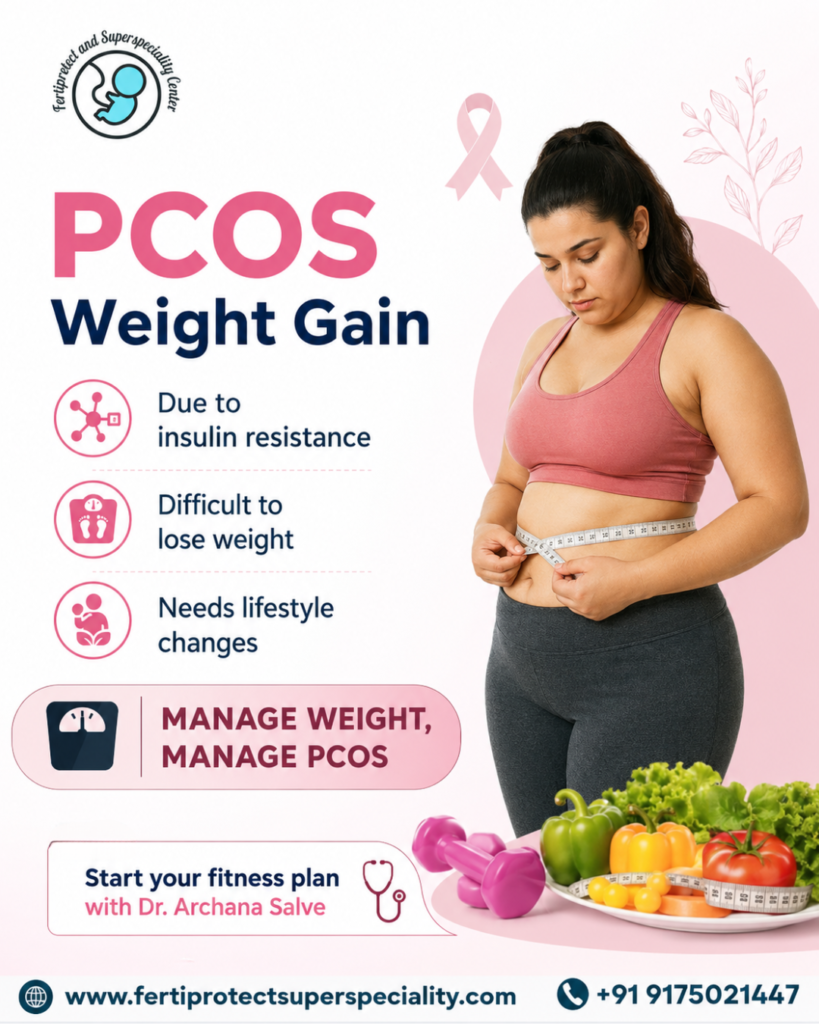
Weight gain in PCOS is not simply caused by overeating. One of the major reasons is insulin resistance. Insulin is a hormone that helps regulate blood sugar levels. In women with PCOS, the body’s cells become less responsive to insulin, causing the pancreas to produce more of it.
High insulin levels encourage the body to store more fat, especially around the abdomen. Increased insulin also stimulates the ovaries to produce more male hormones (androgens), which further disrupt hormone balance and make losing weight even more difficult.
This creates a cycle where weight gain worsens hormonal imbalance, and hormonal imbalance makes weight loss harder.
Common Signs of PCOS Weight Gain
Women with PCOS may notice:
- Gradual weight gain, especially around the waist
- Difficulty losing weight despite exercise
- Increased cravings for sugary foods
- Fatigue and low energy levels
- Irregular or missed periods
- Acne and oily skin
- Excess facial or body hair
- Hair thinning or hair fall
If these symptoms occur together, they should not be ignored. Early diagnosis can help prevent long-term health complications.
Health Risks Associated with PCOS and Obesity
Untreated PCOS combined with obesity can increase the risk of several health conditions, including:
- Type 2 Diabetes
- High blood pressure
- High cholesterol
- Heart disease
- Sleep apnea
- Infertility
- Pregnancy complications
- Endometrial hyperplasia and uterine cancer
Managing body weight can significantly reduce these risks while improving hormone balance and overall health.
Can PCOS Weight Be Managed?
Yes. Although losing weight with PCOS may take longer than usual, it is absolutely possible with the right combination of lifestyle modifications and medical guidance.
Even losing 5–10% of your body weight can improve hormone levels, regulate menstrual cycles, increase fertility, and reduce insulin resistance.
Tips to Manage PCOS Weight Gain
Follow a Balanced Diet
Choose whole grains, lean proteins, healthy fats, fresh vegetables, fruits, nuts, and seeds. Reduce processed foods, sugary beverages, refined carbohydrates, and packaged snacks to help control insulin levels.
Exercise Regularly
Aim for at least 150 minutes of moderate physical activity every week. Walking, cycling, swimming, yoga, strength training, and resistance exercises are especially beneficial for women with PCOS.
Prioritize Good Sleep
Poor sleep can affect hormones that regulate hunger and metabolism. Getting 7–8 hours of quality sleep every night supports healthy weight management.
Manage Stress
Stress increases cortisol levels, which can contribute to weight gain. Meditation, deep breathing, yoga, and hobbies can help reduce stress and improve hormonal balance.
Seek Medical Guidance
Every woman’s body responds differently to PCOS. A personalized treatment plan may include lifestyle counselling, hormonal management, insulin-sensitizing medications, and fertility guidance depending on your individual needs.
Why Early Treatment Matters
Ignoring PCOS symptoms can lead to progressive weight gain and increased health risks over time. Early diagnosis allows for timely intervention, helping improve menstrual regularity, fertility, metabolic health, and emotional well-being.
Regular follow-ups with an experienced gynecologist also help monitor your progress and make necessary adjustments to your treatment plan.
Why Choose Dr. Archana Salve?
If you are searching for expert care for PCOS, Dr. Archana Salve Gynaecologist in Viman Nagar & Kalyani Nagar offers comprehensive evaluation and personalized treatment for women dealing with hormonal disorders, menstrual irregularities, fertility concerns, and PCOS-related weight gain.
Every patient receives individualized care based on their symptoms, lifestyle, and future health goals. Rather than focusing only on medications, treatment also emphasizes sustainable lifestyle changes that support long-term health.
Patients looking for compassionate women’s healthcare often choose Dr. Archana Salve Gynaecologist in Viman Nagar & Kalyani Nagar for evidence-based diagnosis, preventive care, and holistic PCOS management.
Take the First Step Towards Better Health
PCOS is a manageable condition when diagnosed early and treated appropriately. If you are struggling with unexplained weight gain, irregular periods, or symptoms of hormonal imbalance, don’t ignore the warning signs.
Consult Dr. Archana Salve Gynaecologist in Viman Nagar & Kalyani Nagar for a detailed evaluation and personalized treatment plan. With the right medical guidance, healthy lifestyle changes, and regular follow-up, you can successfully manage PCOS, achieve a healthier weight, improve fertility, and enjoy a better quality of life.
Your journey towards hormonal balance and better health starts with one informed decision.