Menstruation is a natural and healthy part of a woman’s life, yet menstrual hygiene continues to be overlooked due to myths, misinformation, and social stigma. Maintaining proper period hygiene is essential not only for comfort but also for preventing infections and supporting overall reproductive health.
Simple practices such as changing sanitary products regularly, maintaining personal hygiene, and choosing suitable menstrual products can significantly reduce the risk of irritation and infections.
If you have concerns about your menstrual cycle, frequent infections, painful periods, or abnormal bleeding, consulting Dr. Archana Salve, Gynaecologist in Pashan, can help you receive expert guidance and personalized care. Patients can also visit the Google Business Profile of Dr. Archana Salve Gynaecologist in Pashan to learn more about the clinic, read patient reviews, and book appointments conveniently.
Why Is Period Hygiene Important?
During menstruation, maintaining cleanliness helps protect the intimate area from bacterial growth and irritation. Good menstrual hygiene promotes comfort, reduces unpleasant odour, and lowers the risk of infections that may affect vaginal and reproductive health.
Proper menstrual care also encourages women to become more aware of their bodies and recognize changes that may require medical attention.
Essential Period Hygiene Tips
1. Change Sanitary Pads Regularly
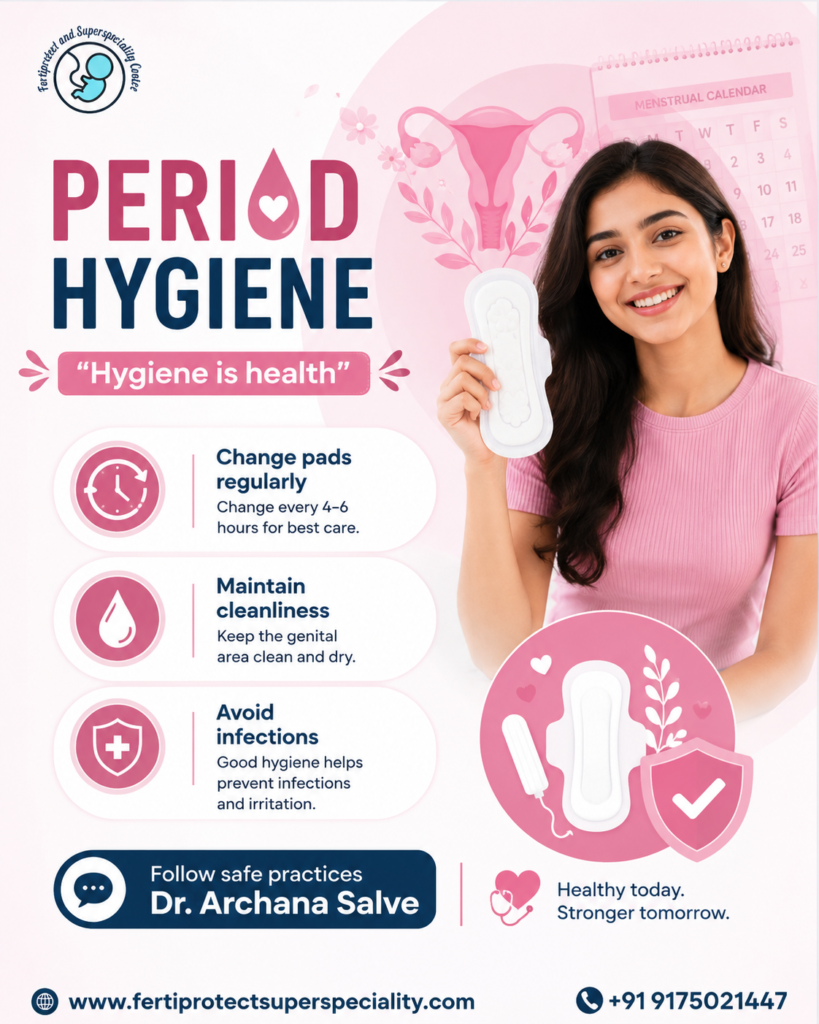
One of the most important aspects of menstrual hygiene is changing sanitary pads at regular intervals. Pads should generally be changed every 4 to 6 hours, or earlier if they become heavily soaked.
Leaving a used pad on for too long can increase moisture, encourage bacterial growth, and cause skin irritation.
For women using tampons or menstrual cups, following the manufacturer’s instructions and maintaining proper hygiene is equally important.
2. Keep the Intimate Area Clean
Wash the external genital area gently with clean water during your period. Mild, fragrance-free cleansers may be used if recommended, but harsh soaps and scented products should be avoided as they may disturb the natural vaginal environment.
Always wipe from front to back after using the toilet to reduce the risk of bacterial contamination.
3. Wear Comfortable, Breathable Clothing
Cotton underwear allows better air circulation and helps keep the intimate area dry. Avoid wearing tight-fitting clothes for prolonged periods during menstruation, especially in hot and humid weather.
Changing underwear daily also supports better hygiene.
4. Dispose of Menstrual Products Properly
Used sanitary pads and tampons should be wrapped securely before disposal in a designated waste bin. They should never be flushed down the toilet, as this can cause plumbing blockages and environmental concerns.
Practicing safe disposal is an important part of menstrual hygiene.
5. Stay Hydrated and Eat a Balanced Diet
A nutritious diet and adequate hydration can help support overall health during menstruation. Iron-rich foods, fresh fruits, vegetables, whole grains, and sufficient water intake may help maintain energy levels and support recovery from menstrual blood loss.
Common Menstrual Hygiene Mistakes
Many women unknowingly follow practices that may increase the risk of discomfort or infection.
Some common mistakes include:
- Wearing the same sanitary pad for too many hours
- Using strongly scented intimate hygiene products
- Wearing damp or unclean underwear
- Ignoring persistent itching or irritation
- Not washing hands before and after changing menstrual products
Avoiding these habits can help maintain better menstrual health.
Signs You Should Consult a Gynaecologist
While mild discomfort during periods is common, certain symptoms require medical evaluation.
You should consult Dr. Archana Salve, Gynaecologist in Pashan, if you experience:
- Very heavy menstrual bleeding
- Severe menstrual pain affecting daily activities
- Irregular menstrual cycles
- Persistent itching or unusual vaginal discharge
- Recurrent vaginal infections
- Foul-smelling discharge
- Bleeding between periods
- Missed periods without pregnancy
Early evaluation helps identify underlying conditions and allows timely treatment.
Menstrual Hygiene for Teenagers
The first few years after menstruation begins are an ideal time to establish healthy hygiene habits.
Parents, teachers, and healthcare providers should encourage open discussions about menstruation and educate adolescents about:
- Proper use of sanitary products
- Changing pads regularly
- Personal hygiene practices
- Healthy nutrition
- Recognizing abnormal symptoms
Creating awareness helps young girls manage menstruation confidently and safely.
Breaking Myths About Menstruation
Many misconceptions about periods continue to circulate despite medical evidence.
Some common myths include:
- Menstruation is not “unclean.”
- Bathing during periods is safe and supports hygiene.
- Physical activity is generally safe unless advised otherwise by your doctor.
- Menstrual cycles vary between women and are not always exactly 28 days.
Reliable medical guidance helps replace myths with accurate information.
Why Choose Dr. Archana Salve?
Women’s health requires compassionate care, accurate diagnosis, and personalized treatment. Dr. Archana Salve, Gynaecologist in Pashan, is dedicated to providing comprehensive care for adolescent girls, women of reproductive age, and menopausal women.
Patients choose Dr. Archana Salve for:
- Personalized gynaecological consultations
- Menstrual health evaluation
- Preventive women’s healthcare
- Pregnancy and fertility guidance
- Management of menstrual disorders
- Patient-friendly and confidential care
Whether you need routine gynaecological care or treatment for menstrual concerns, Dr. Archana Salve Gynaecologist in Pashan offers evidence-based care focused on your long-term reproductive health.
Book Your Consultation
Good menstrual hygiene is one of the simplest yet most effective ways to protect your reproductive health. If you experience irregular periods, infections, excessive pain, or unusual bleeding, timely medical consultation can help identify the cause and provide appropriate treatment.
Book your appointment with Dr. Archana Salve, Gynaecologist in Pashan, for expert guidance on menstrual health and women’s wellness. You can also visit the Google Business Profile of Dr. Archana Salve Gynaecologist in Pashan to read patient reviews, find clinic details, and schedule your consultation.
Conclusion
Menstrual hygiene is an essential part of every woman’s health. Simple daily habits such as changing sanitary products regularly, maintaining cleanliness, staying hydrated, and seeking medical advice when necessary can reduce the risk of infections and improve overall well-being.
If you have concerns about your menstrual health, consult Dr. Archana Salve, Gynaecologist in Pashan, for expert care, accurate diagnosis, and personalized treatment. Early attention to menstrual health today can support better reproductive health for the future.