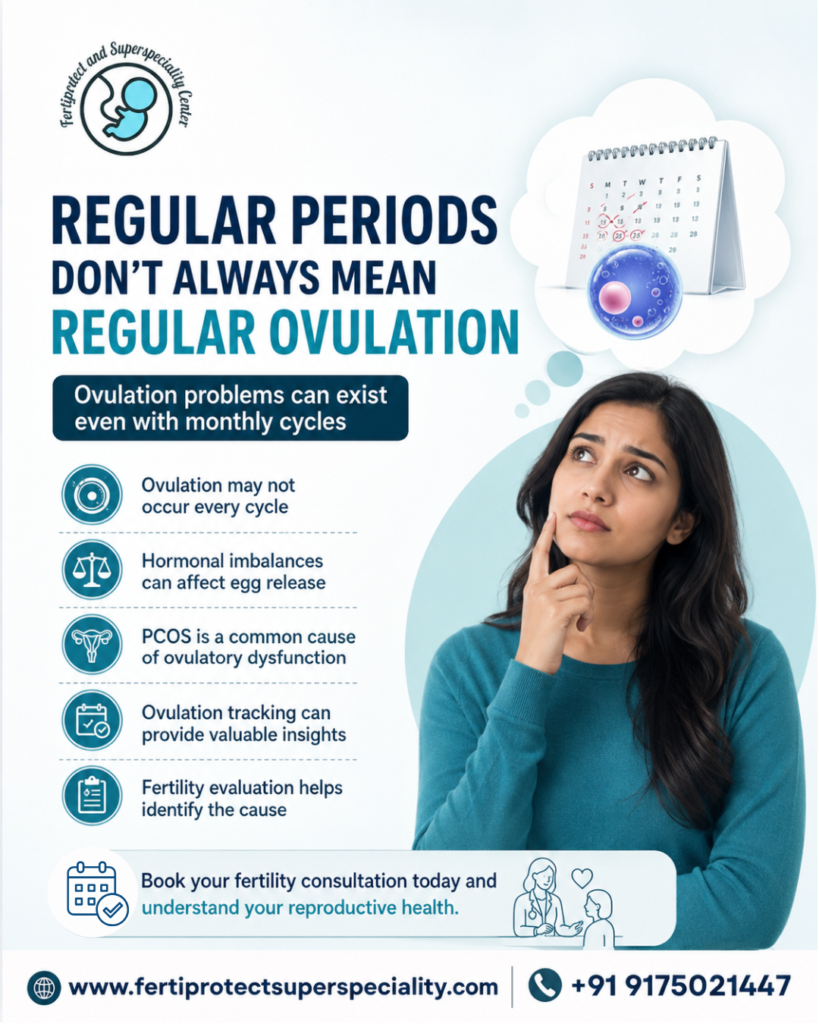
Having a menstrual period every month is generally considered a sign of a regular menstrual cycle. However, regular periods do not always guarantee that ovulation is occurring consistently. Ovulation is the process in which an ovary releases an egg, and it plays an important role in natural conception.
Some women may experience monthly cycles while still having occasional or irregular ovulation. Understanding this difference can be helpful for women who are trying to conceive or have concerns about their reproductive health.
Dr. Archana Salve gynecologist in Kalyani Nagar provides women’s health and reproductive health consultations, helping patients understand menstrual and fertility-related concerns through appropriate evaluation and personalised medical guidance.
What Is Ovulation?
Ovulation occurs when an ovary releases a mature egg. The egg can then potentially be fertilised by sperm during the fertile window. Ovulation usually occurs once during a menstrual cycle, although the timing can vary from person to person and from cycle to cycle.
Menstrual bleeding is controlled by changes in reproductive hormones. Because menstruation can occur even when ovulation is not consistent, tracking periods alone may not always provide a complete picture of reproductive health.
Can You Have Periods Without Regular Ovulation?
Yes. A woman may sometimes have menstrual bleeding without regular ovulation. This is known as an anovulatory cycle when ovulation does not occur.
Occasional anovulatory cycles can happen for different reasons and may not necessarily indicate a serious health problem. However, repeated ovulation problems may affect fertility and may require medical evaluation, particularly when pregnancy is not occurring as expected.
Why Can Ovulation Become Irregular?
Several factors can influence ovulation, including:
- Hormonal changes
- Polycystic ovary syndrome (PCOS)
- Significant changes in body weight
- Excessive physical activity
- Emotional or physical stress
- Thyroid-related conditions
- Certain medications
- Changes associated with reproductive age
PCOS is one of the commonly recognised causes of ovulatory dysfunction. It can affect hormone balance and may result in less frequent or unpredictable ovulation.
It is important to remember that having one or more of these factors does not automatically mean that a woman has an ovulation disorder. A proper medical assessment is needed to understand the underlying cause.
Signs That May Suggest an Ovulation Problem
Some women may not experience obvious symptoms when ovulation is irregular. Others may notice changes such as:
- Cycles that vary significantly in length
- Difficulty predicting fertile days
- Changes in cervical mucus
- Irregular menstrual patterns
- Difficulty conceiving despite regular periods
For women trying to become pregnant, difficulty identifying the fertile window may sometimes be a reason to discuss ovulation with a healthcare professional.
How Is Ovulation Evaluated?
A gynecologist may consider several factors when assessing ovulation. The process usually begins with a discussion about menstrual history, previous pregnancies, lifestyle factors and other relevant health information.
Depending on the individual situation, evaluation may include:
Menstrual Cycle Tracking
Keeping a record of period dates and cycle length can help identify patterns. However, calendar tracking alone cannot always confirm whether ovulation has occurred.
Hormonal Evaluation
Blood tests may be recommended in selected cases to assess hormone levels associated with reproductive function. The timing of testing can be important because hormone levels change throughout the menstrual cycle.
Ultrasound Monitoring
Ovulation tracking through ultrasound may be recommended in some fertility evaluations. It can help monitor follicular development and provide information about the ovulatory process.
Fertility Assessment
When pregnancy has not occurred despite trying, a broader fertility evaluation may be appropriate. Depending on the situation, this can include assessment of ovulation, reproductive anatomy and other factors that may influence conception.
Does Regular Ovulation Matter for Pregnancy?
Regular ovulation increases the opportunity for an egg to be available for fertilisation. When ovulation is infrequent or absent, conception may become more difficult because there may be fewer opportunities for fertilisation during a given period.
However, fertility depends on multiple factors involving both partners. Ovulation is only one part of the reproductive process. Age, sperm health, the fallopian tubes, uterus and other factors can also influence the chances of pregnancy.
Therefore, fertility concerns should be approached through a comprehensive evaluation rather than focusing on a single factor.
When Should You Consider a Consultation?
If you have regular periods but have been trying to conceive without success, discussing your menstrual and reproductive history with a gynecologist can be useful. A consultation may also be appropriate if your cycle pattern changes, you have symptoms associated with hormonal imbalance, or you have concerns about ovulation.
Dr. Archana Salve offers gynecological consultation for women’s reproductive health concerns. An individual assessment can help determine whether further testing or monitoring is appropriate.
Supporting Reproductive Health
Maintaining a balanced lifestyle can support overall reproductive well-being. Adequate nutrition, regular physical activity, healthy sleep habits and stress management are useful components of general health.
At the same time, lifestyle measures cannot replace medical evaluation when persistent fertility or menstrual concerns are present. Avoiding self-diagnosis and seeking appropriate professional guidance can help identify potential issues more accurately.
Understanding Your Cycle Can Help
A regular menstrual period is useful information, but it does not always confirm regular ovulation. If you are planning a pregnancy or have concerns about your reproductive health, understanding your individual cycle and discussing persistent concerns with a qualified gynecologist can be an important step.
With appropriate assessment, potential factors affecting ovulation can be identified and managed according to individual needs.
Dr. Archana Salve gynecologist in Kalyani Nagar focuses on patient-centered gynecological care and reproductive health guidance, helping women make informed decisions about their health.
This article is intended for general health education and does not replace personalized medical advice, diagnosis or treatment from a qualified healthcare professional.